Online Forum Tools for Industry Associations: Invitations, Speakers, and Resources
摘要: Plan association forums around member eligibility, remote speakers, moderated questions, and permission-based resource delivery.
Industry associations organizing online forums must invite members, coordinate speakers from different organizations, and provide materials afterward. Public discussion and member-only services may coexist. A meeting link alone leaves eligibility checks and resource delivery scattered across temporary channels.
Evaluate POLYV enterprise live streaming and webinar capabilities around member services, remote speakers, and post-event resources. Configure registration, access, and interaction for the intended audience. Selection should follow eligibility, speaker responsibilities, and content permissions rather than the number of video windows an interface can display.
01 Separate public content from member services
Public forums emphasize a clear topic and convenient access. Member sessions may require eligibility checks and more specific service information. They can belong to one program while using different access and resource rules.
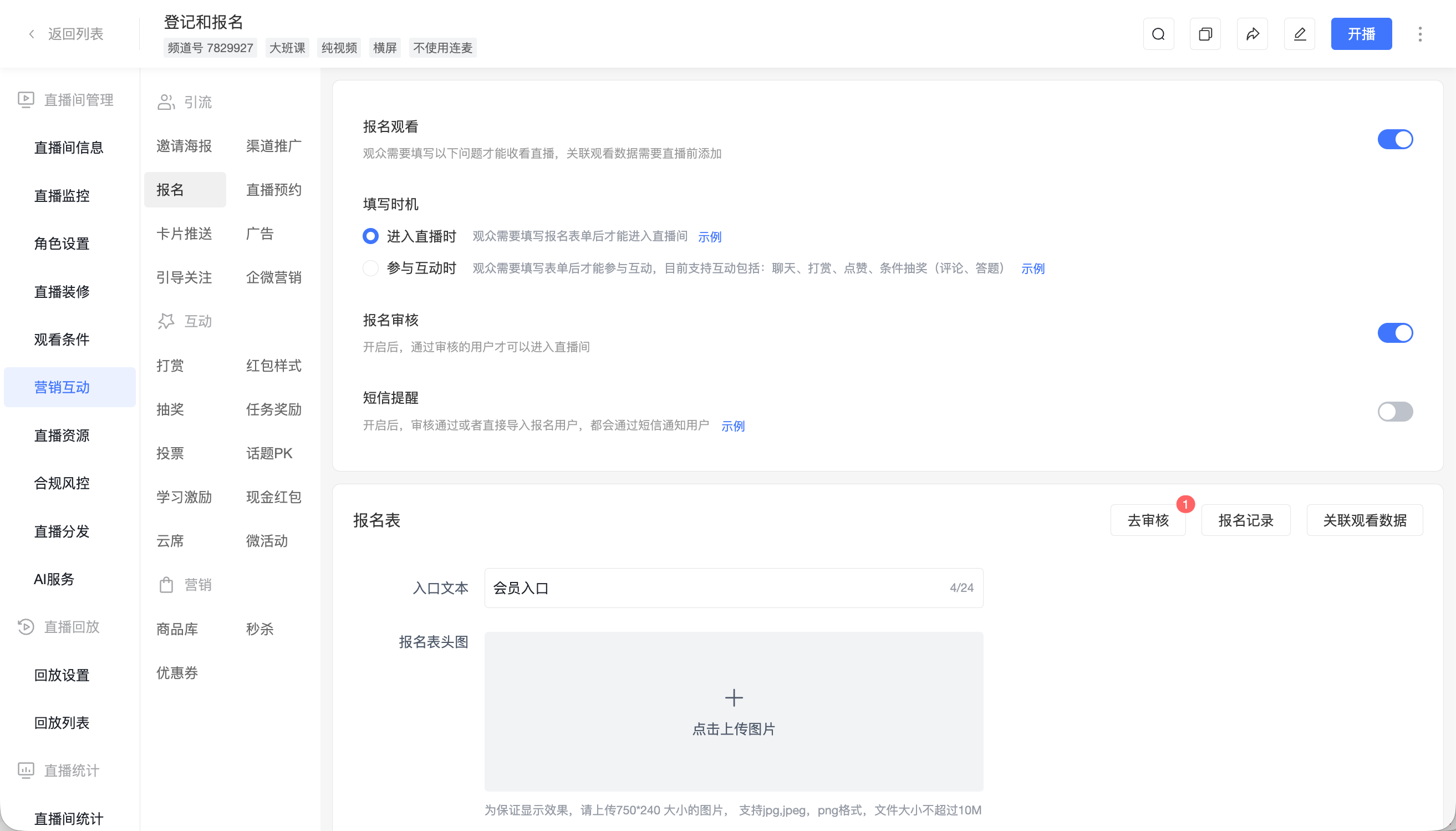
POLYV offers public, allowlist, registration, and authorization-related viewing paths. Select according to the association’s membership process. Where an existing member system is used, evaluate the relevant authorization integration instead of relying indefinitely on manual checks.
Collect organization type, participant role, and relevant questions where needed. A self-entered company name does not itself prove membership. Restricted sessions need a verifiable eligibility or approval process.
02 Give every speaker a distinct contribution
An association forum may combine industry observations, practical experience, and panel discussion. Agree on the question each speaker addresses, timing, and transitions so that presentations do not repeat the same background.
POLYV webinars offer document and desktop sharing and multi-person collaboration. Enterprise live streaming can organize presenters and guests according to the event format. Specify who presents materials, who discusses them, and how the host changes segments.
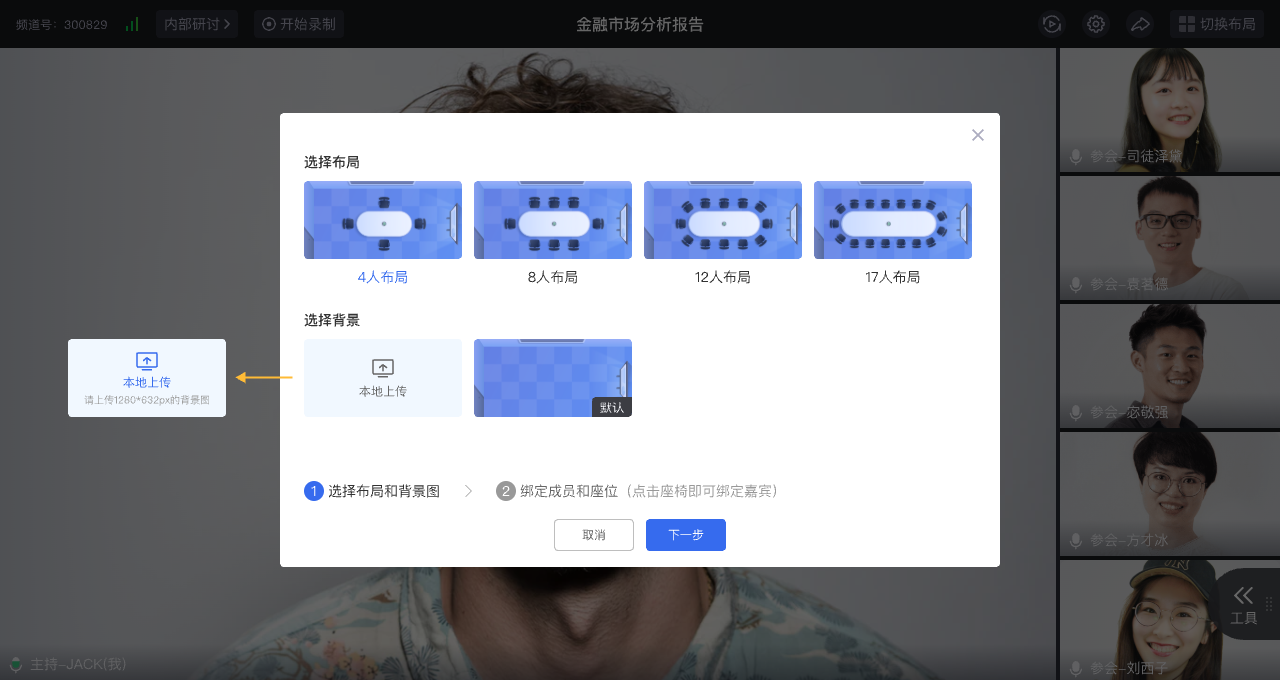
Rehearsal should cover names, material versions, and permissions as well as audio and video. Explain what will appear in the live session or replay and what remains within a limited discussion.
03 Use interaction to advance the topic
People from different organizations may hesitate to discuss their own circumstances publicly. Use chat for general discussion, dedicated questions for specific issues, and curated public Q&A for widely relevant answers.
POLYV dedicated questions are directed to presenters, assistants, and guests by default. Set prompts that keep submissions relevant and discourage unnecessary personal or organizational details.
Separate exchange of views from service requests. Association-specific matters can move to the responsible staff afterward, while the host keeps the live discussion focused on issues that can be explained publicly.
04 Match resource delivery to permissions
Forum resources may include presentations, replays, and service information. Confirm download rights, eligible audiences, and validity for each item. Permission to display a presentation live does not automatically establish permission for unrestricted long-term distribution.
POLYV cards can link to resource or service pages, while aggregation pages organize live sessions, replays, and other content. A topic entry can bring approved resources together with source and usage explanations.
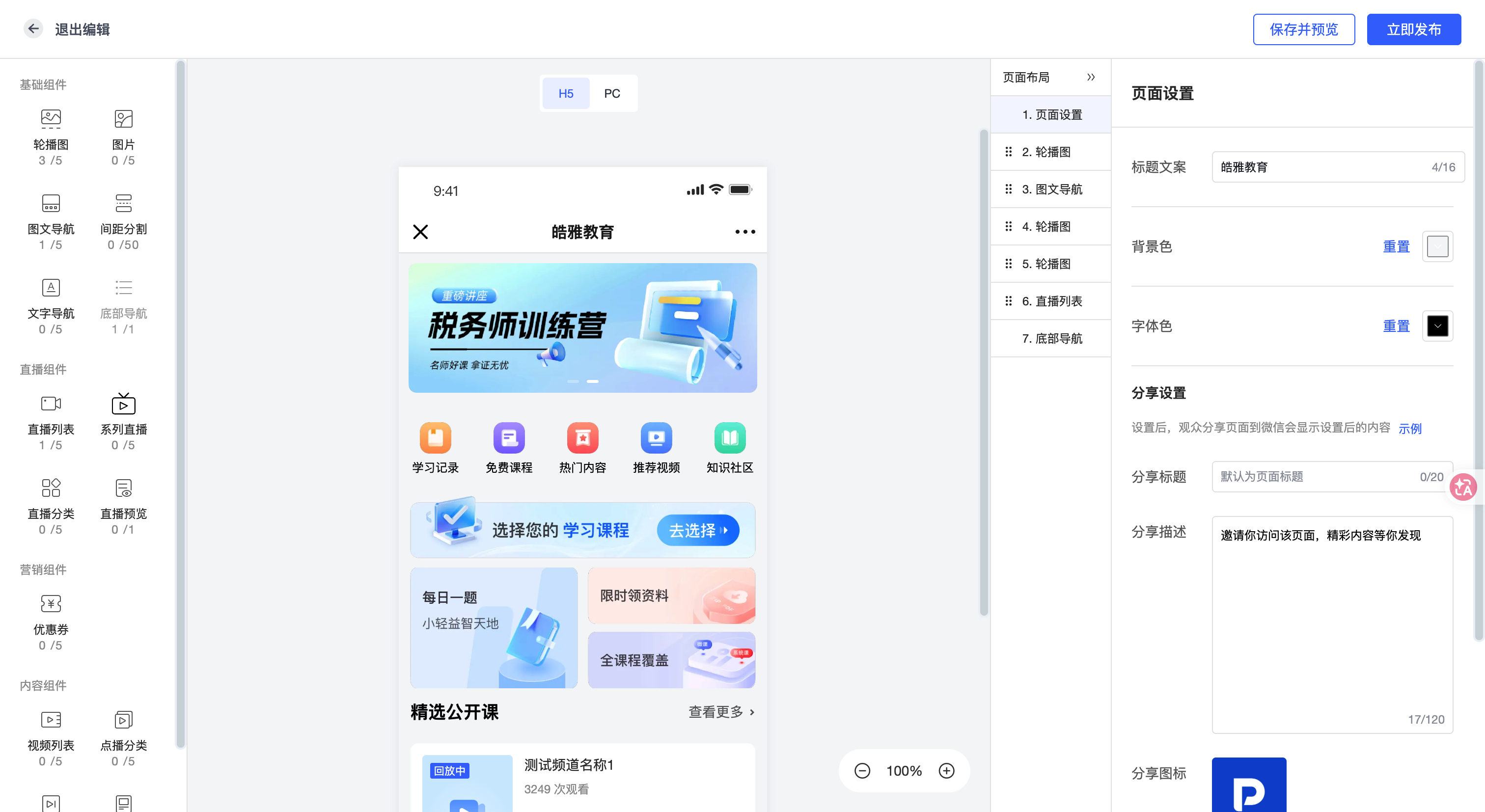
For request-based materials, explain the responsible department and handling process. Track clicks, applications, and completed delivery separately so the association can determine whether the service was fulfilled.
05 Observe invitation sources separately from membership
Plan entries for member notices, speaker invitations, and public articles. POLYV channel promotion capabilities can help observe participation associated with these paths. A source indicates a distribution route; membership comes from eligibility information.
Review confirmed-member participation, outside audiences, questions, and service requests separately. Leave unmatched identities in their own category rather than forcing them into a complete membership ratio.
Where several people represent one organization, distinguish individual participation from organizational coverage. The latter requires a reliable mapping to the membership or organization record.
06 Validate with a focused forum
Choose a clearly bounded topic and complete registration, speaker rehearsal, viewer testing, and resource delivery. Assign responsibility for eligibility, live operations, interaction, and subsequent services. Staff may combine roles, but responsibilities must remain explicit.
Test an ineligible visitor, a last-minute material change, and an organization-specific question. Preparing these paths reduces improvised decisions during the event.
Maintain a responsibility table covering topic approval, registration, moderation, speaker coordination, and external technical execution. For recurring forums, record each topic’s scope and review date. Historical comments about regulations, standards, or markets need appropriate date context and source review before reuse.
Gather actionable feedback: which questions remain unanswered and which materials are still needed. Use it to plan subsequent sessions. Public pages should also provide a clear association service contact and handling timeframe.
07 Frequently asked questions
7.1 Must member forums be completely closed?
No. Public topics can reach a broad audience while restricted resources and discussions use appropriate permissions. Explain the scope in the invitation.
7.2 Can speaker invitations be tracked separately?
Configure corresponding promotion entries and test the resulting records. Invitation source and membership eligibility remain separate attributes.
7.3 Are more post-event resources always better?
Prioritize relevance, accuracy, and permission. A clear directory with an update owner is more useful than a large unmanaged file collection.
08 About POLYV
POLYV provides enterprise live streaming, webinars, registration, viewing conditions, interaction, and aggregation capabilities. Associations can combine these with clear responsibilities to organize member forums, public exchanges, and subsequent resource services.