A B2B Target-Account Live Session for Multiple Buying Roles
摘要: Organize account sessions around buying roles, controlled access, focused demonstrations, testable questions, and owned follow-up actions.
When a B2B customer evaluates a solution, business, technical, procurement, and management stakeholders often ask different questions. A generic presentation may give each person fragments of information without creating a shared understanding. A dedicated account session should organize these perspectives around one business task.
Use defined participation scope, role-aware demonstrations, and an owned follow-up question list. POLYV viewing conditions, webinar collaboration, and dedicated questions can support the session. The customer’s purchasing decisions remain part of the business process; event records preserve participation and question context.
01 Define the decision this session should advance
Avoid combining basic product education, every feature demonstration, and full commercial negotiations into one session. Choose a focused objective, such as confirming business fit, explaining a critical workflow, or clarifying implementation prerequisites. Invite the roles needed for that decision.
Business owners assess how a task works, technical staff examine the environment, and managers consider responsibility and resources. Build the agenda around one scenario rather than having every presenter restart the product introduction.
Confirm participant roles and questions with the customer contact. Keep unconfirmed requirements as assumptions and state them during the session rather than presenting an internal interpretation as an agreed customer need.
02 Match participation scope to content scope
For account-specific discussions, use appropriate access restrictions. POLYV offers allowlist and authorization paths. Enterprises with existing user systems can assess custom or external authorization, with identity checked server-side through the documented mechanism.
Test convenient entry for invited people, forwarded-link behavior, additions to the guest list, and whether access continues afterward. A common password does not necessarily provide individual eligibility verification.
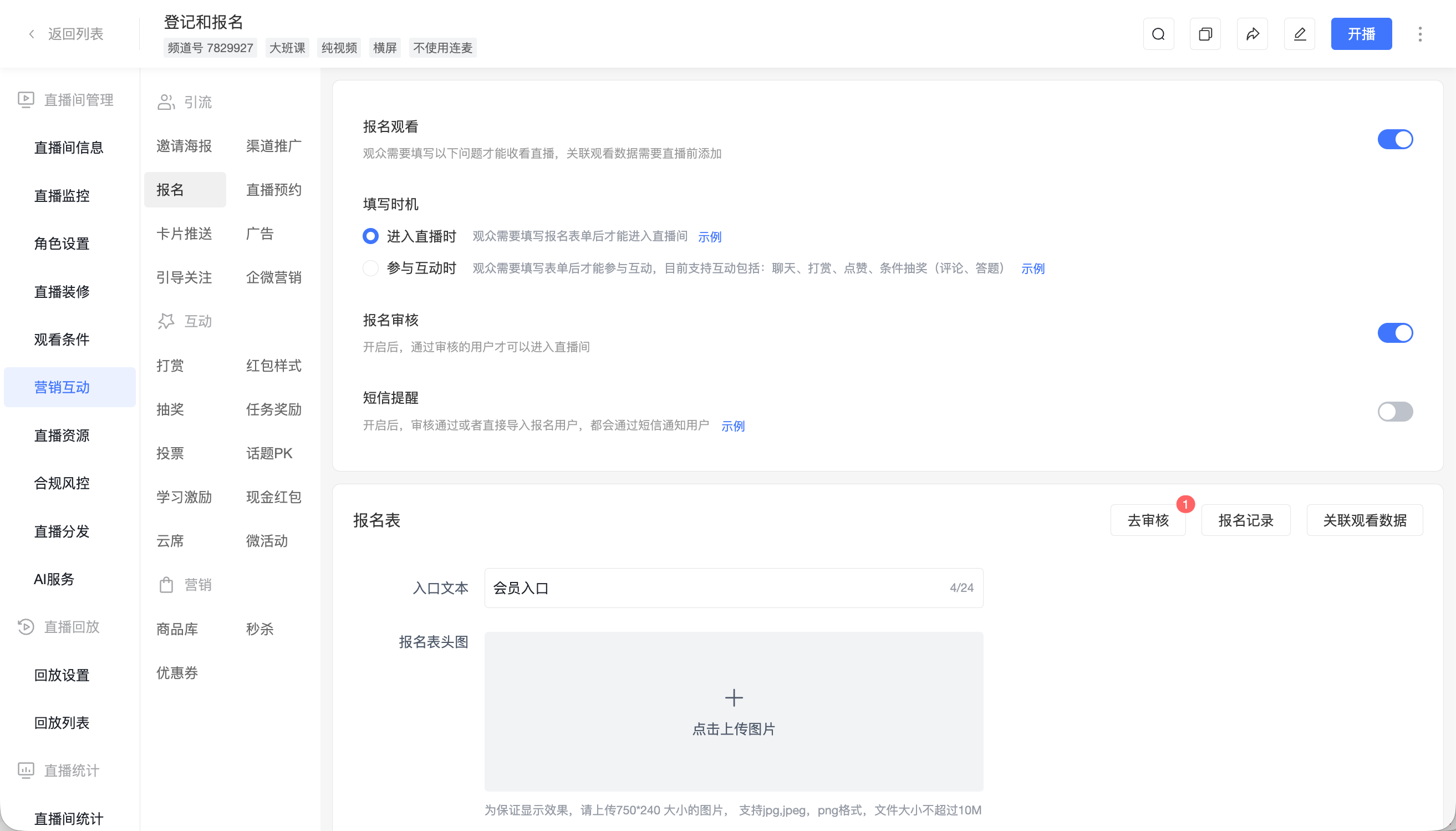
The customer contact may forward invitations, so reconcile the final participants beforehand. Clarify the role of late additions to adjust explanations and retain the agreed discussion scope.
03 Present different perspectives on the same task
For a business approval process, first show the user workflow, then management settings and data movement, and finally the customer-side conditions needed for implementation. Different stakeholders see different layers of the same task.
POLYV webinars offer document and desktop sharing and multi-person collaboration. These can support alternating explanations from business and technical speakers. A presentation-led session can instead use enterprise live streaming with directed questions. Select according to the required collaboration depth.
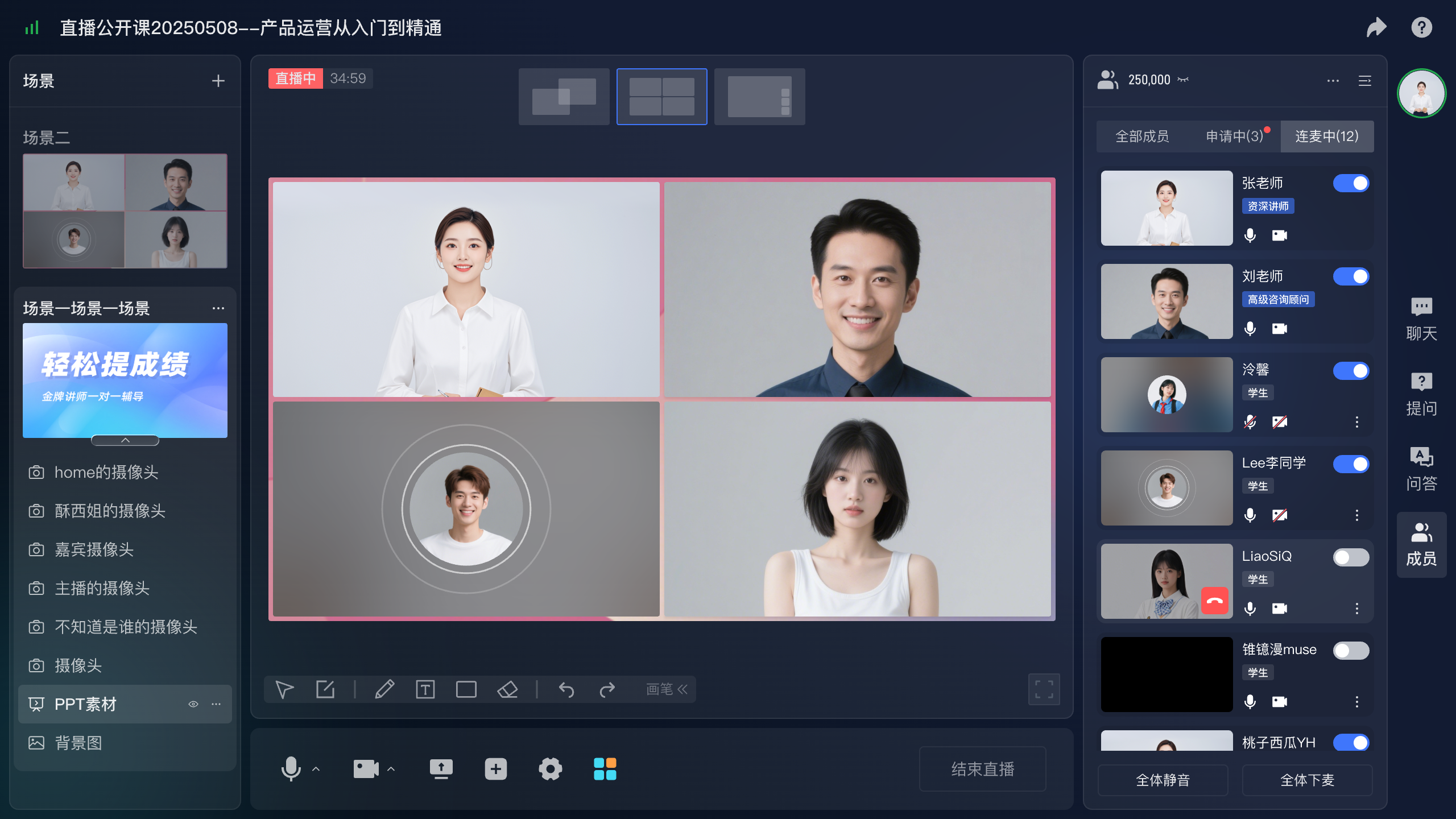
Use an agreed environment and prepared data. If customers share their own interface, confirm the intended scope first. The host needs a clear transition and pause procedure so unreviewed information does not unexpectedly enter the shared view.
04 Turn concerns into testable questions
A concern about suitability needs more detail: which step, under what conditions, and with what expected result? The host can help translate an objection into a verifiable question rather than immediately responding with general product benefits.
POLYV dedicated questions can capture matters that participants do not wish to raise in the wider discussion. A small audience does not make every detail suitable for replay; explain recording and subsequent use in advance.
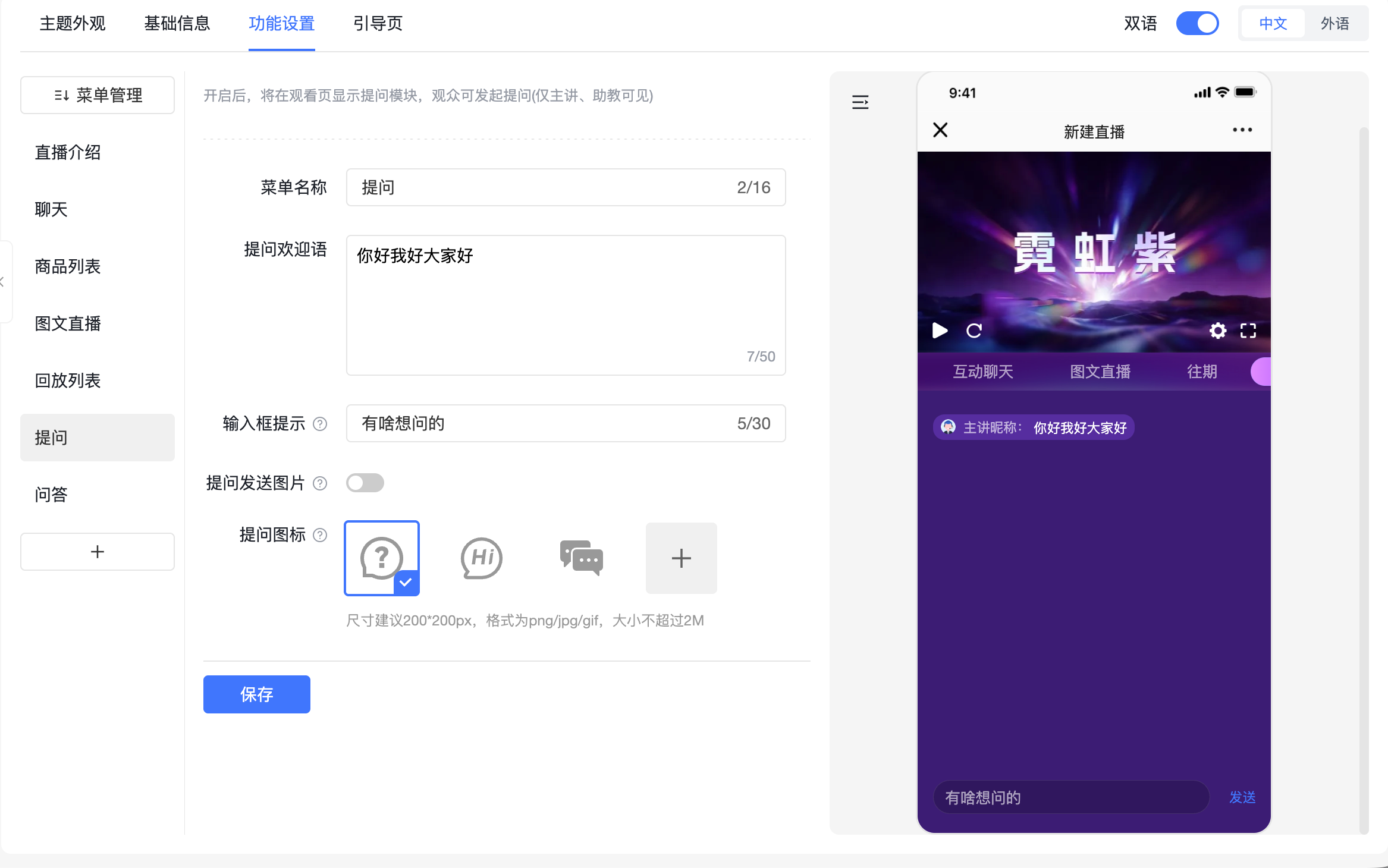
Separate confirmed points, items requiring validation, and matters outside the current scope. Record prerequisites for confirmed points, owners and evidence for validation items, and the route for later discussions. A generic promise to follow up does not distinguish these tasks.
05 Provide materials that support internal customer discussion
Attendees often need to explain the solution to colleagues who missed the session. Provide a workflow summary, confirmed conditions, unresolved validation items, and the next agenda. A replay can supplement this, but key decisions should be easy to locate.
If a replay is supplied, verify access and validity and remove content inappropriate for continued sharing. For video encryption and rights management, POLYV PlaySafe® video protection provides layered mechanisms including encryption, authorization, anti-hotlinking, watermarks, playback controls, and traceability. These reduce unauthorized-distribution risks alongside account rules and content permissions; external recording and account sharing also require governance.
Send material relevant to the actual discussion. State who needs to provide what so that the customer can judge readiness for the next assessment.
06 Measure progress through questions, not audience size
Account-session attendance is determined by buying roles. Review whether relevant stakeholders participated, critical conditions became clearer, validation tasks have owners, and the customer agreed to a specific next step.
Viewing records show content access, not internal consensus. Use subsequent communication to verify understanding and identify what absent decision-makers need.
Rehearse the complete workflow internally: enter as a customer, demonstrate the task, raise an objection, and prepare the follow-up list. Test the team and tool together.
Where stakeholders disagree, distinguish business priorities, technical prerequisites, and resource arrangements. The next meeting should address the unresolved decision with the appropriate people instead of repeating the same demonstration.
Short pre-reading can provide shared background, while an opening recap keeps the event accessible to those who have not read it. For agreed actions, specify an owner, required material, and timing. Attendance itself is not a purchase commitment.
07 Frequently asked questions
7.1 Must everyone join on camera or microphone?
No. Arrange participation by role and preference. People who need to explain circumstances can speak; others can watch and submit questions.
7.2 Can event data determine the sales stage?
It provides context. Stage decisions should reflect explicit needs, verified conditions, and mutually agreed next steps in the business process.
7.3 Can a public demonstration be reused?
Reuse accurate, applicable material, but adjust its sequence, conditions, and questions to the account’s task. The value is relevance, not simply a smaller audience.
08 About POLYV
POLYV provides access controls, enterprise live streaming, webinars, interaction, and video management. B2B teams can use these capabilities to connect multi-role demonstrations, question clarification, and follow-up materials for targeted account evaluation.