Refined Seminar Teaching & Hierarchical Online Teaching Research Seminar Solutions for Vocational Qualification Training Institutions
In the vocational qualification training track, exam paper review, error analysis, exam point breakdown and targeted Q&A sessions are core teaching links for students in sprint preparation to make up for knowledge gaps. They play a vital role in optimizing exam preparation schedules, improving exam-taking capabilities and raising overall pass rates. With the normalization of online teaching, off-site teaching across multiple campuses and large-group centralized seminars have become mainstream teaching models.
However, traditional live-streaming seminar models are plagued by pervasive pain points: mixed student proficiency levels, poor classroom management, lagging cross-regional teaching research collaboration, lack of quantifiable teaching data, and high risks of pirated exclusive courseware. Mixed-ability large classes render hierarchical teaching ineffective and trigger frequent classroom disruptions, dilute the teaching impact of top instructors, deprive teaching optimization of objective evidence, and lead to unauthorized leakage of paid course resources. These issues severely hinder institutions’ teaching quality and market competitiveness. Therefore, building a professional online seminar system featuring hierarchical grouping, controllable classroom management, seamless cross-location collaboration, quantifiable data metrics and copyright protection has become a core priority for vocational qualification training institutions to deliver refined teaching, boost learning outcomes and build competitive moats.
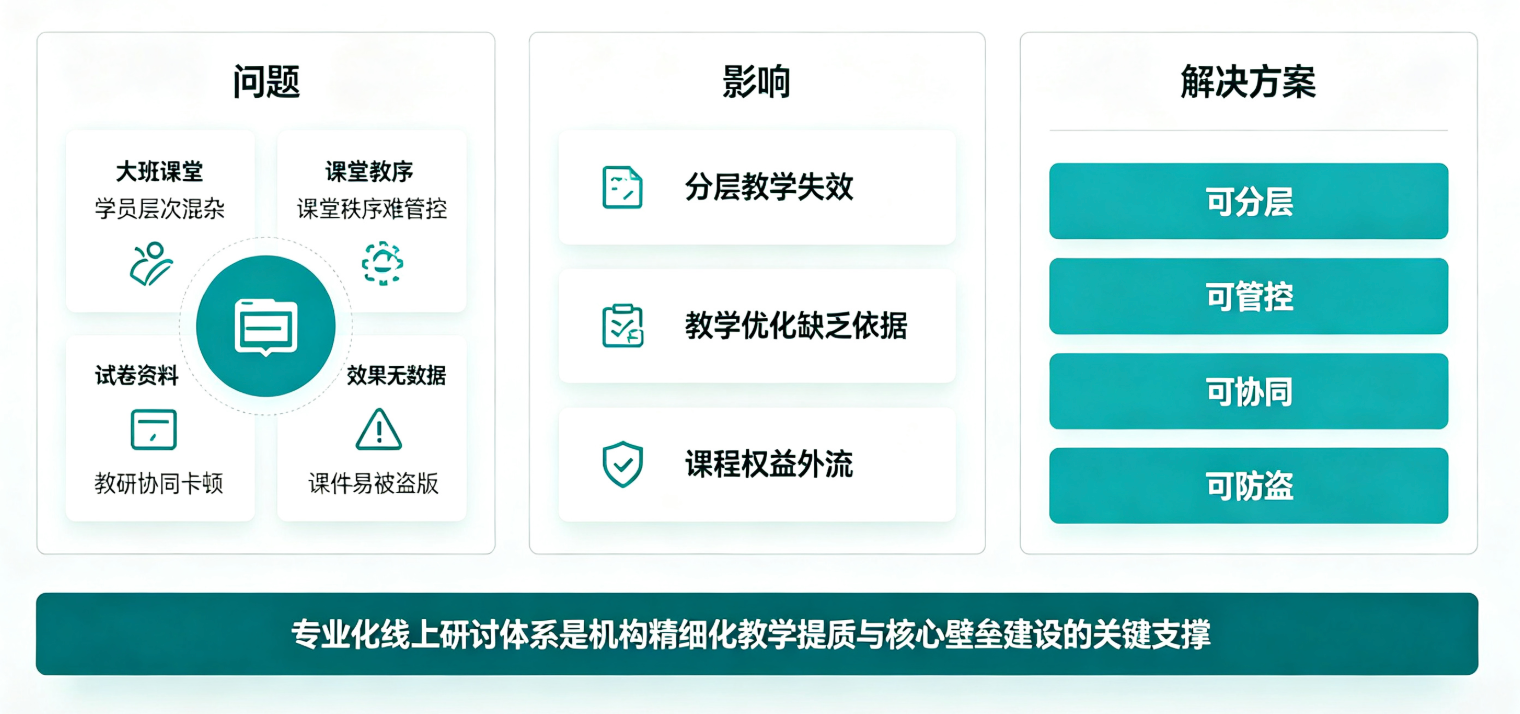
I. Core Challenges Facing Online Seminars for Vocational Qualification Exams
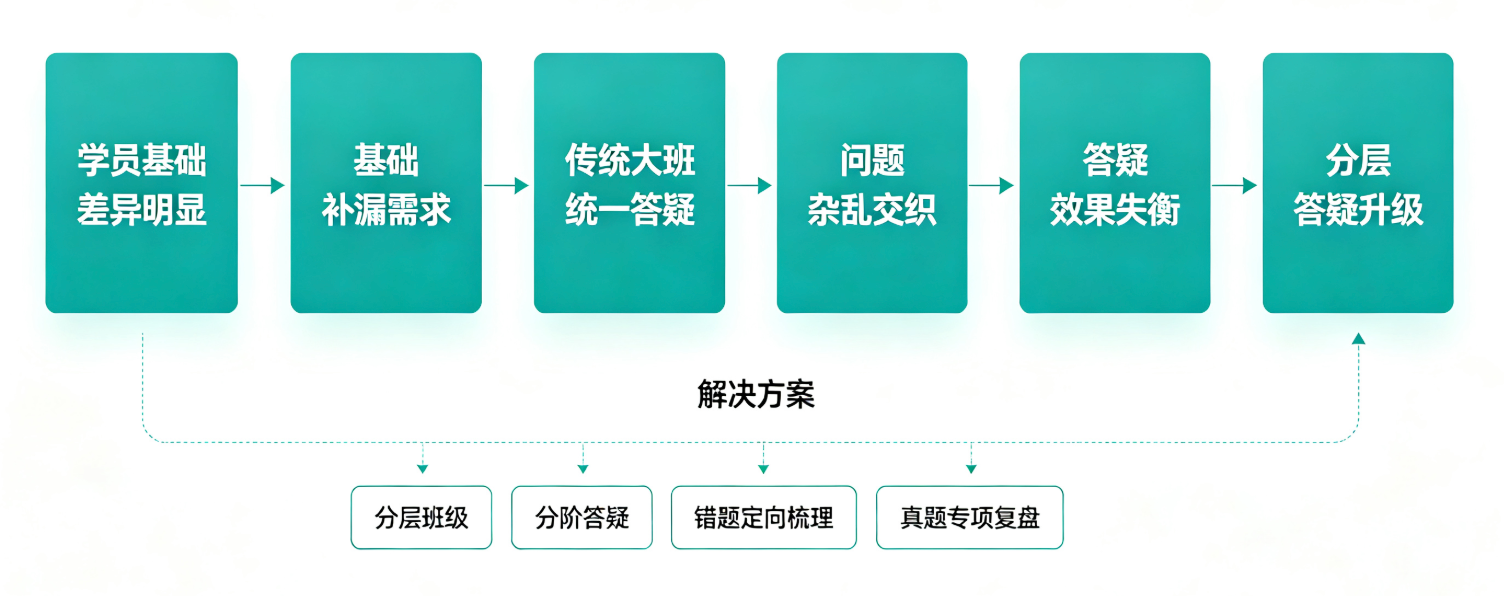
(1) Mixed Proficiency Levels in Large Classes Undermine Targeted Q&A Outcomes
Vocational exam students have vastly varying foundational knowledge. Students in the basic learning stage focus on filling knowledge gaps, while those in the sprint stage prioritize exam paper review and tackling difficult topics. Traditional one-size-fits-all live-stream Q&A sessions mix all students together, creating chaotic, overlapping questions that disrupt learners at different levels.
Students with weak foundations struggle to follow advanced exam point reviews, while sprint-stage learners waste valuable preparation time rehashing basic content. Targeted error sorting and pinpointed Q&A become unfeasible, failing to deliver on the core goals of hierarchical teaching and targeted score improvement.
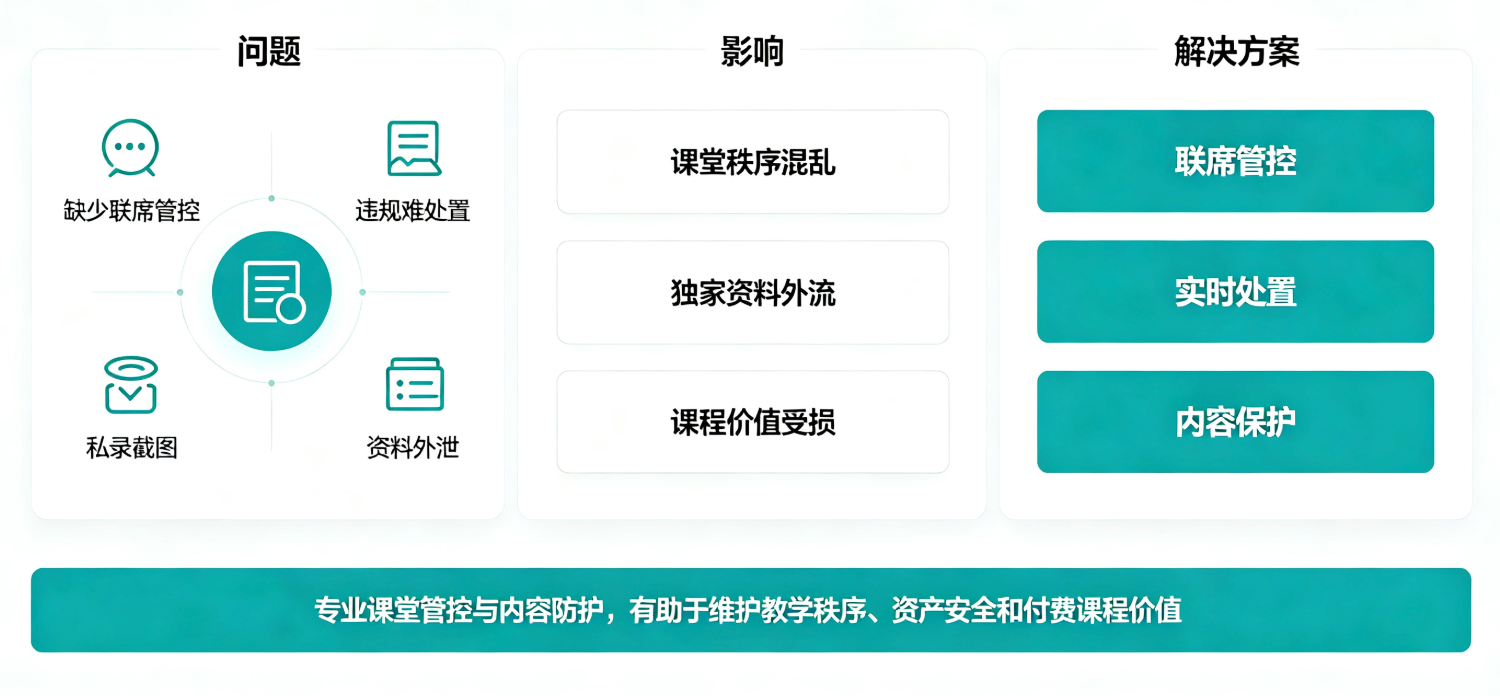
(2) Loose Online Classroom Order & High Risk of Confidential Mock Exam Material Leakage
Online seminar spaces feature open student interaction, which brings significant management challenges. Conventional live-stream tools lack professional joint conference control capabilities. Instances such as irrelevant spam scrolling, advertisement postings and disruptive trolling by students cannot be promptly mitigated.
Furthermore, institutions’ unreleased mock exam banks and exclusive sprint courseware represent core teaching assets. Some students may record screens, take screenshots and resell these materials without authorization, causing premature leakage of internal preparation resources. This not only disrupts classroom order but also severely devalues the exclusive benefits of paid courses.
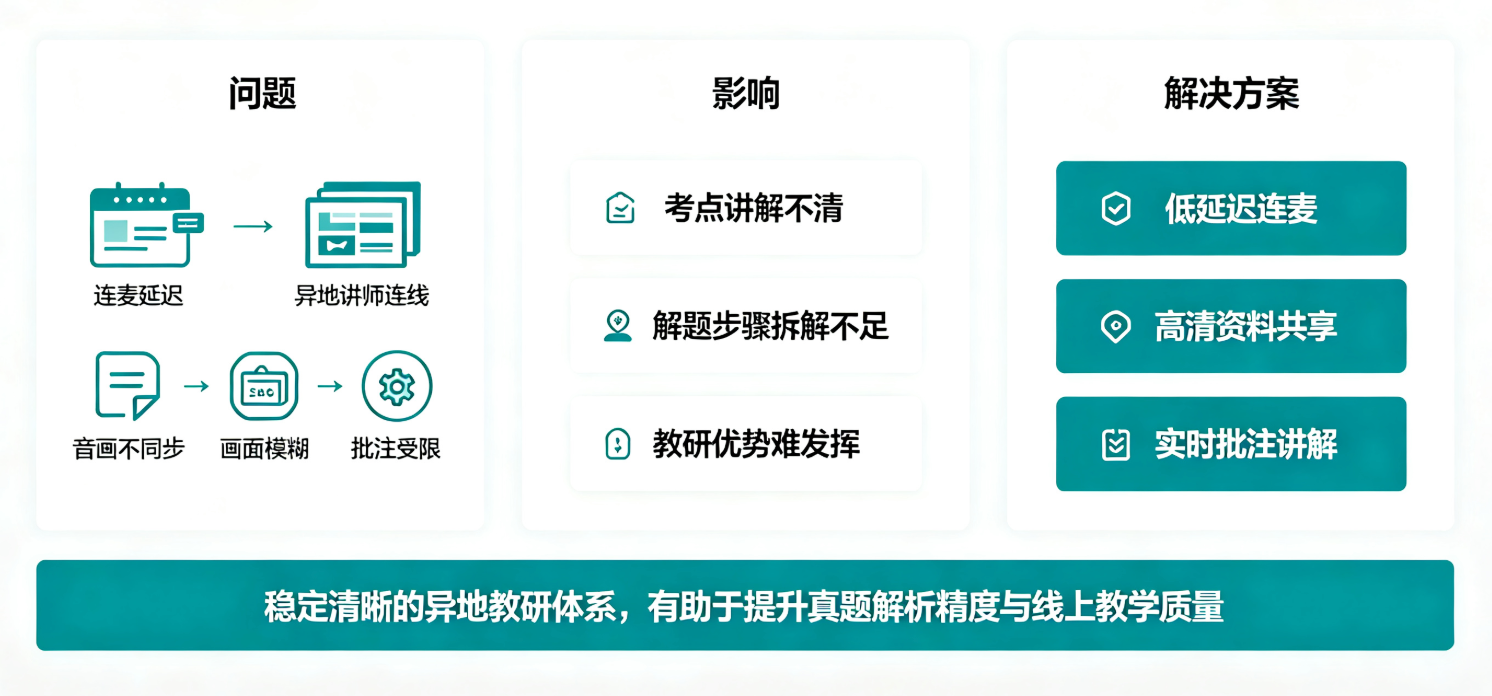
(3) Lagging Cross-Regional Teaching Research Collaboration Limits Annotated Exam Explanations
Top instructors and campus lecturers of training institutions are often geographically dispersed, requiring regular cross-regional thematic seminars and exam paper breakdown sessions. Generic online tools suffer from severe audio-video sync delays. When sharing exam papers, legal provisions, calculation formulas and preparation courseware, displayed visuals become compressed and blurry with lost critical details.
Lecturers cannot perform real-time annotations to outline problem-solving logic, highlight high-frequency exam points or break down solution steps. The advantages of off-site top instructors cannot be fully leveraged, resulting in online seminars delivering far lower teaching precision and quality than offline sessions.
(4) Lack of Retained Seminar Data Hinders Data-Driven Teaching Optimization
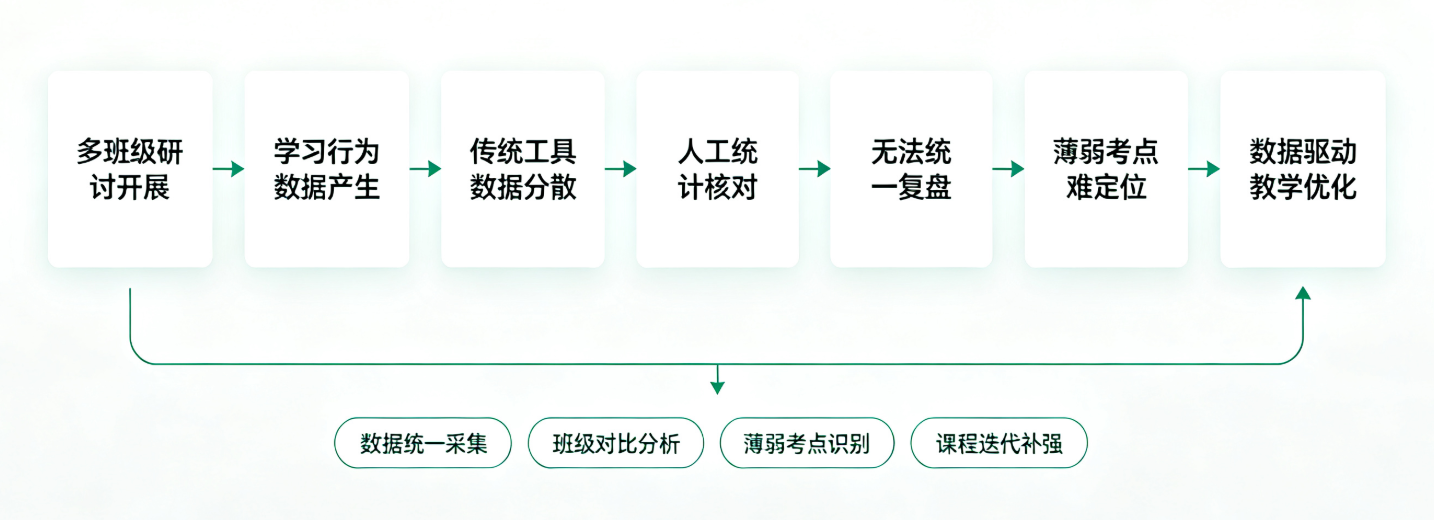
Training institutions host dense seminar sessions covering numerous classes and large student cohorts, yet traditional tools feature weak data analytics with siloed metrics including class attendance, viewing duration, classroom speaking activity and overall participation. Manual data collation is inefficient and error-prone.
Moreover, institutions cannot accurately identify common weak exam points across cohorts or widespread knowledge gaps among students. Course iteration, targeted remedial teaching and preparation focus adjustments rely solely on subjective experience, without refined data support.
(5) Unrestricted Courseware Piracy Erodes Market Competitiveness of Paid Courses
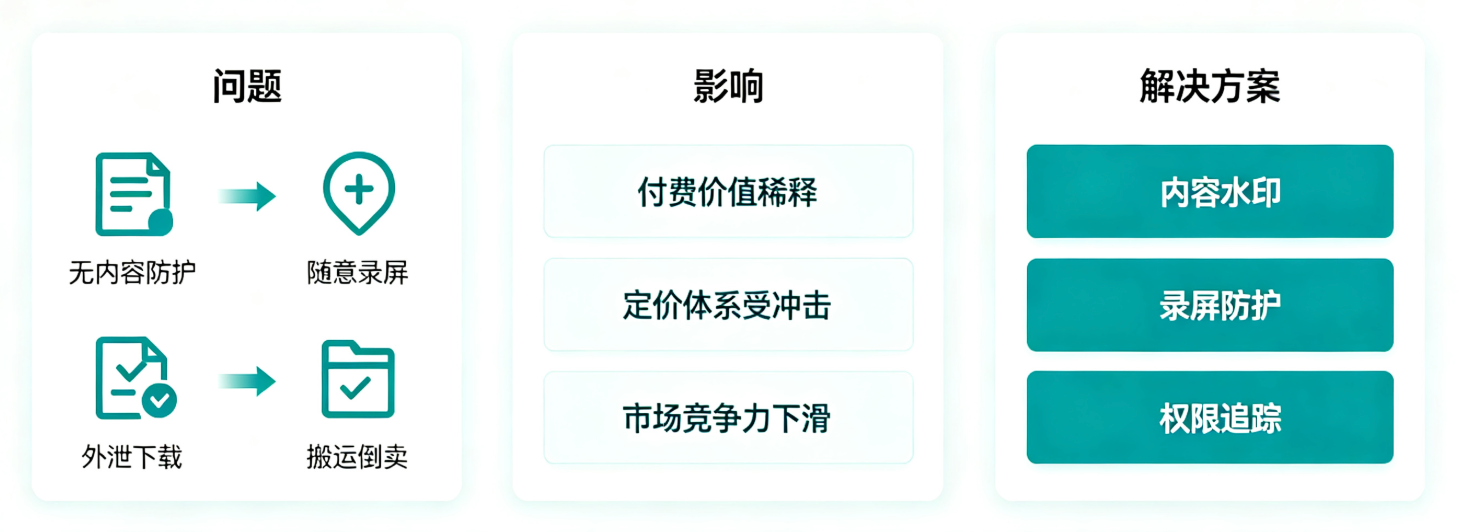
Exclusive sprint seminar recordings, proprietary problem-solving courseware and internal exam review materials are exclusive benefits for paying students and core differentiated competitive assets of training institutions. Traditional online classrooms lack content protection mechanisms, allowing students to freely record, download, repost and resell teaching content. Rampant pirated resources circulated at low prices drastically devalue paid courses, disrupt pricing systems and greatly weaken the market competitiveness of premium sprint programs.
II. Building a Standardized Online Seminar System for Vocational Qualification Training
Polyv has deeply tailored an integrated online seminar solution catering to vocational qualification training institutions’ core scenarios: hierarchical seminars, cross-regional teaching research, classroom governance, teaching performance review and copyright protection. The platform addresses all pain points of conventional online teaching research, empowering institutions to implement refined teaching management and drive efficiency and quality gains.
(1) Multiple Independent Breakout Rooms to Enable Hierarchical Targeted Teaching
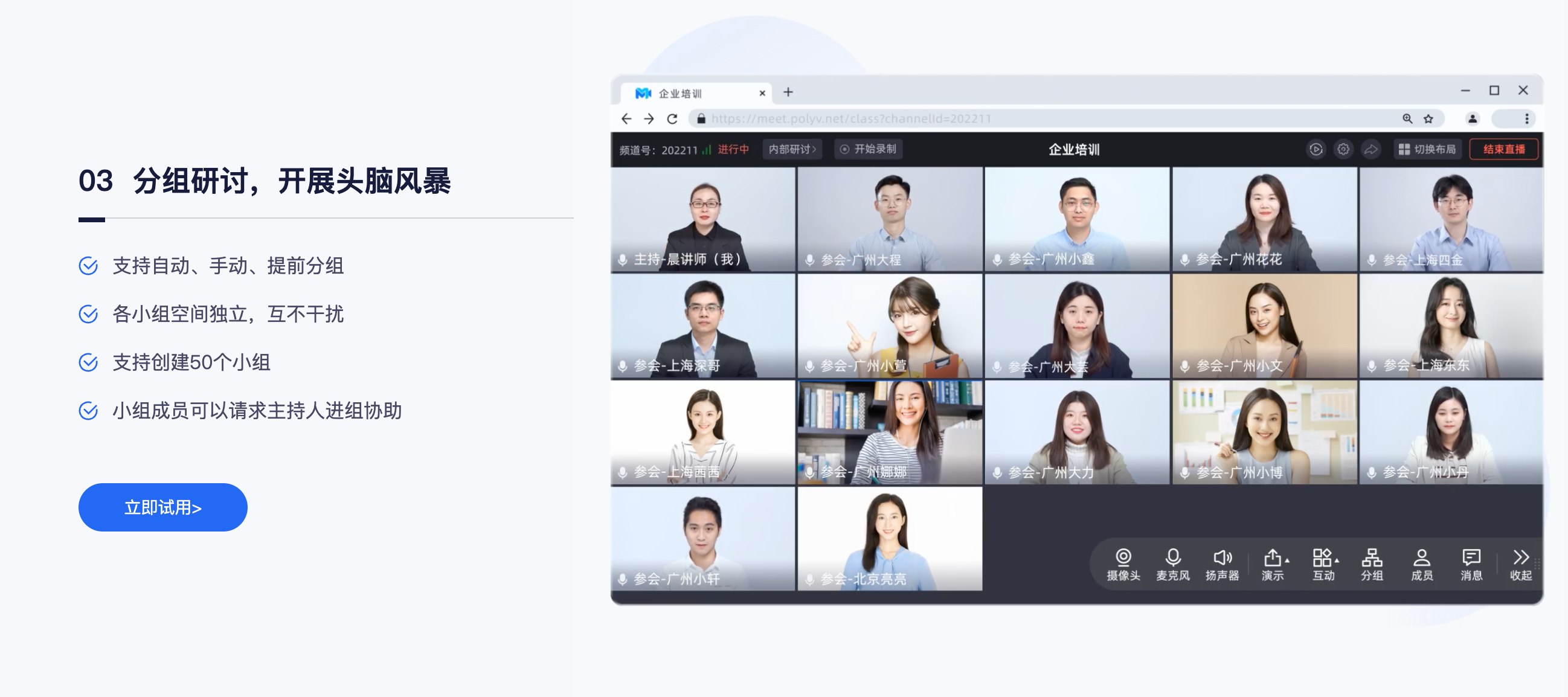
The system supports up to 50 synchronous independent breakout rooms. Institutions may group participants flexibly by class, discipline or exam preparation stage, with fully isolated audio/video feeds, courseware resources and chat interactions between groups with zero cross-group interference. Hosts and instructors can freely move between rooms to deliver targeted Q&A, exam paper reviews and brainstorming sessions tailored to each group’s error patterns and knowledge gaps.
This eliminates the drawbacks of mixed-ability large classes, enabling foundational learners to consolidate core exam points and sprint-stage students to tackle advanced challenges, maximizing the effectiveness of hierarchical seminar teaching.
(2) Multi-Level Joint Conference Permissions to Standardize Classroom Order
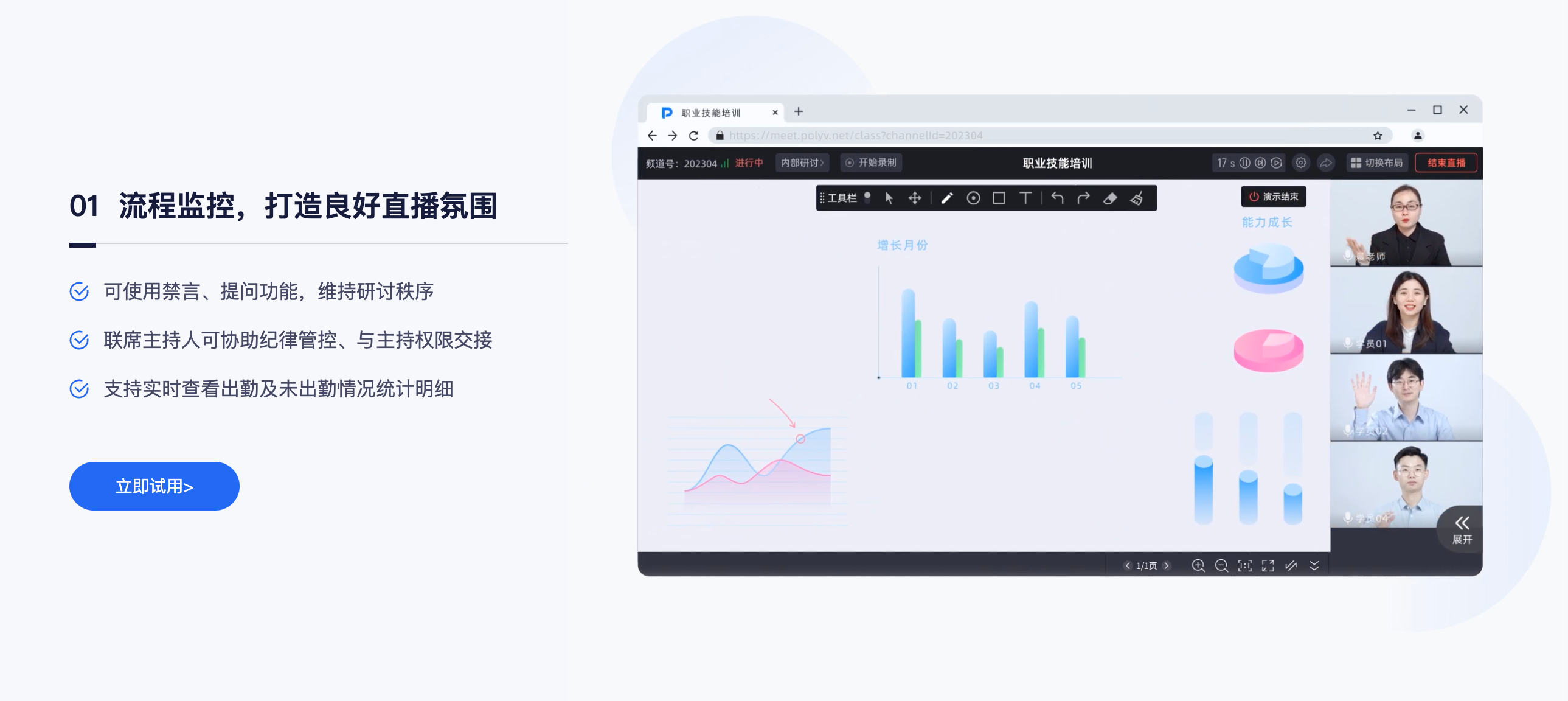
A multi-tiered joint host permission system supports flexible permission transfer, global muting, targeted single-user muting and removal of disruptive students, delivering granular classroom governance. Teaching administrators can maintain focused, efficient seminar environments by swiftly clearing irrelevant advertisements, spam messages and harmful remarks.
The platform also strengthens governance over confidential mock exam and exclusive courseware sharing scenarios to reduce unauthorized leakage risks, safeguarding the privacy of proprietary teaching materials.
(3) Low-Latency Multi-Person Co-Hosting to Reproduce Full Teaching Details in High Definition
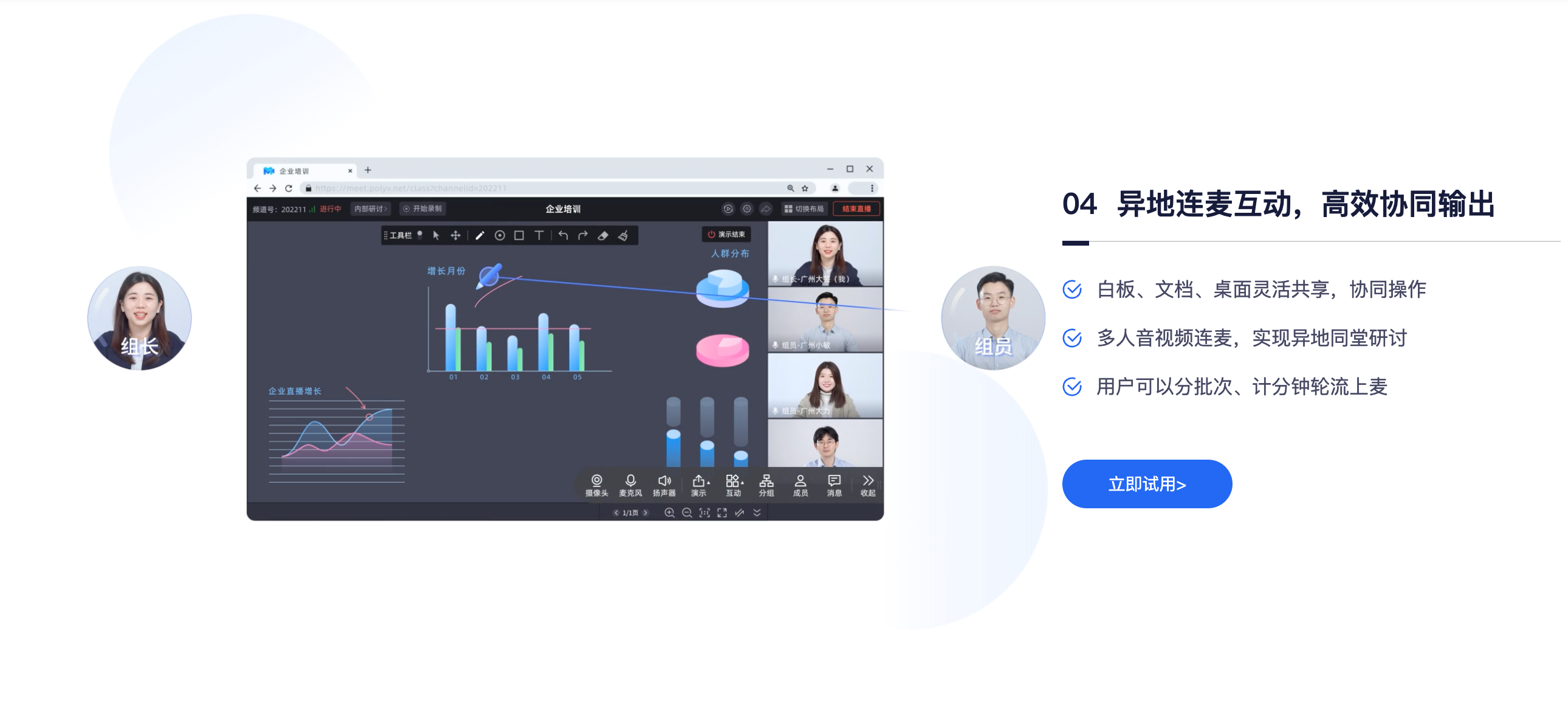
Powered by low-latency multi-user audio-video co-hosting technology, the platform seamlessly supports cross-regional collaboration between top instructors and multi-campus lecturers with synchronized, stable audio and video streams. It integrates collaborative tools including digital whiteboard annotation, document sharing and desktop screen casting to display exam papers, legal texts, calculation formulas and preparation courseware in high resolution.
Lecturers can annotate problem-solving workflows, circle high-frequency exam points and unpack tricky error-prone concepts in real time, fully replicating the granular detail of offline teaching research and amplifying the instructional value of geographically dispersed top instructors.
(4) Multi-Dimensional Visualized Data Dashboard to Drive Refined Teaching Iteration
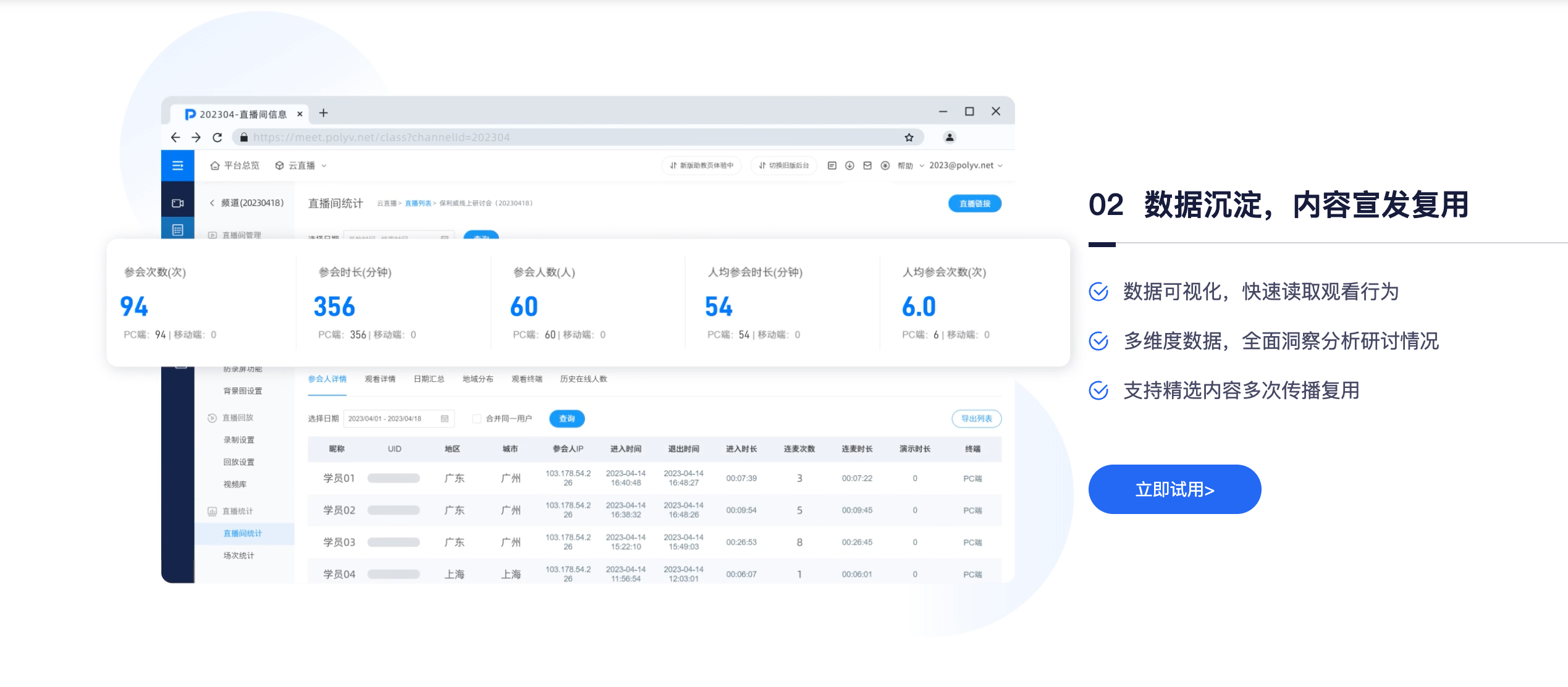
A dedicated visualized seminar data dashboard automatically aggregates multi-dimensional metrics including class attendance, student viewing duration, classroom speaking frequency and overall participation engagement across all cohorts. All seminar participation outcomes are quantified and visualized, eliminating inefficient manual data entry and drastically boosting administrative efficiency.
Data reviews enable precise identification of universal weak exam points and widespread student knowledge gaps, delivering objective data support for curriculum optimization, targeted remedial sessions, adjusted preparation priorities and teaching performance evaluations across classes.
(5) PlaySafe® Full-Link Protection to Build a Copyright Moat for Teaching Assets
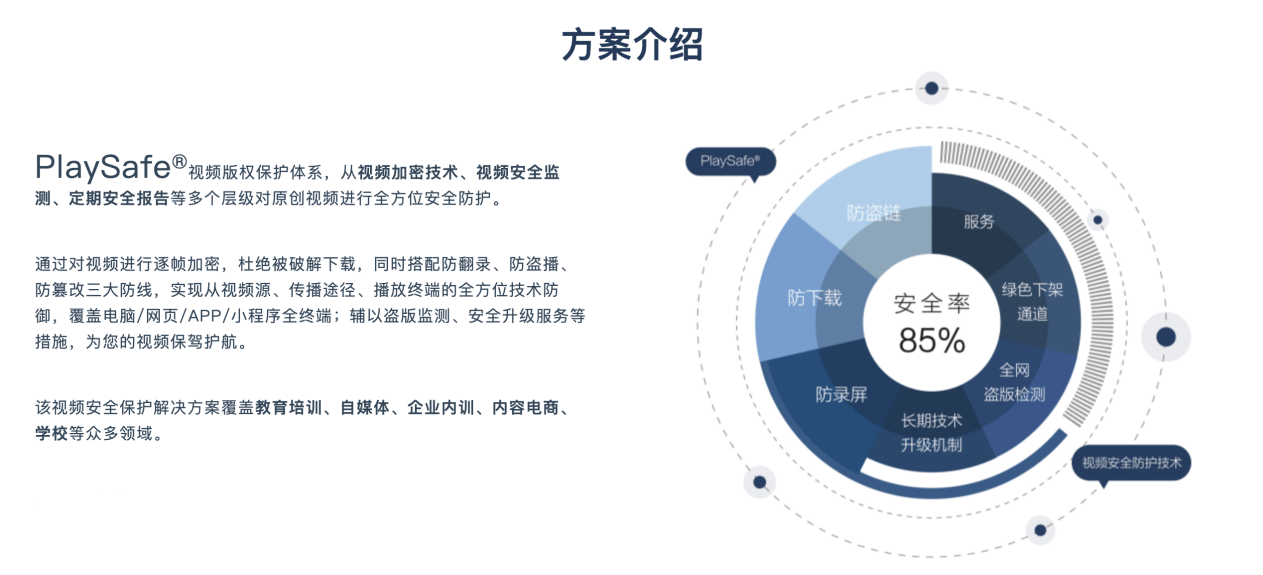
Equipped with the PlaySafe® full-link video copyright protection ecosystem, the platform leverages exclusive VRM encryption, global anti-leech technology, dynamic watermarks, cross-device screen-recording prevention and unauthorized dissemination interception for multi-layered content security.
The solution comprehensively protects internal exam papers, proprietary problem-solving courseware, unreleased mock exam content and sprint seminar recordings. It blocks screen recording, unauthorized downloads, reposting and pirated resale at the source, curbing the proliferation of pirated resources, protecting the exclusive rights and interests of paying students, and consolidating the market competitiveness of premium sprint courses.
III. Core Implementation Value of the Solution
This solution precisely addresses vocational qualification training institutions’ core demands for online seminar instruction, refined management and intellectual property protection, fully resolving the shortcomings of traditional online teaching research.
- Multiple independent breakout rooms enable hierarchical targeted teaching to meet the score-improvement needs of students at all preparation stages;
- Multi-level joint conference governance streamlines classroom order and ensures productive teaching research sessions;
- Low-latency collaborative technology breaks cross-regional teaching research barriers and magnifies the value of top instructors;
- The multi-dimensional data dashboard enables data-driven seminar reviews to support continuous curriculum iteration and optimization;
- The PlaySafe® protection system safeguards proprietary teaching assets and consolidates institutions’ core market competitiveness.
End-to-end, the solution empowers training institutions to build a standardized, refined, highly secure and reviewable online seminar teaching system, effectively lifting student exam pass rates and elevating institutional teaching reputation.