How Do Packaging Material Manufacturers Launch Live Streaming for the Double 11 Procurement Festival? Online Factory Audit Live Streaming Solution for 2026
The Double 11 Procurement Festival serves as a key window for packaging material factories to secure B2B orders. Downstream e-commerce brands, manufacturing enterprises and trading clients make concentrated purchases of cartons, packaging bags, cushioning materials, custom printed packages and other products during this period. Factories widely adopt live streaming to showcase production capacity, demonstrate product craftsmanship and collect procurement demands, so as to connect with more prospective buyers amid the big promotion cycle.
Packaging materials are a typical B2B category that relies heavily on experience and trust. Procurement decisions are highly dependent on on-site verification of factory production capacity, workshop conditions, material performance and craftsmanship. Conventional live streaming tools only support one-way video broadcast. They cannot meet practical requirements such as multi-production-line live feeds, on-site process demonstrations, structured lead collection and protection of internal business information. This often slows trust-building with clients, prolongs sample communication cycles, disorganizes sales follow-up and exposes internal factory information, directly undermining lead generation and deal conversion for procurement festival live streams.
I. Key Challenges for Packaging Material Factories in Lead-Generating Live Streaming
(1) Geographically dispersed clients incur high costs for on-site factory audits
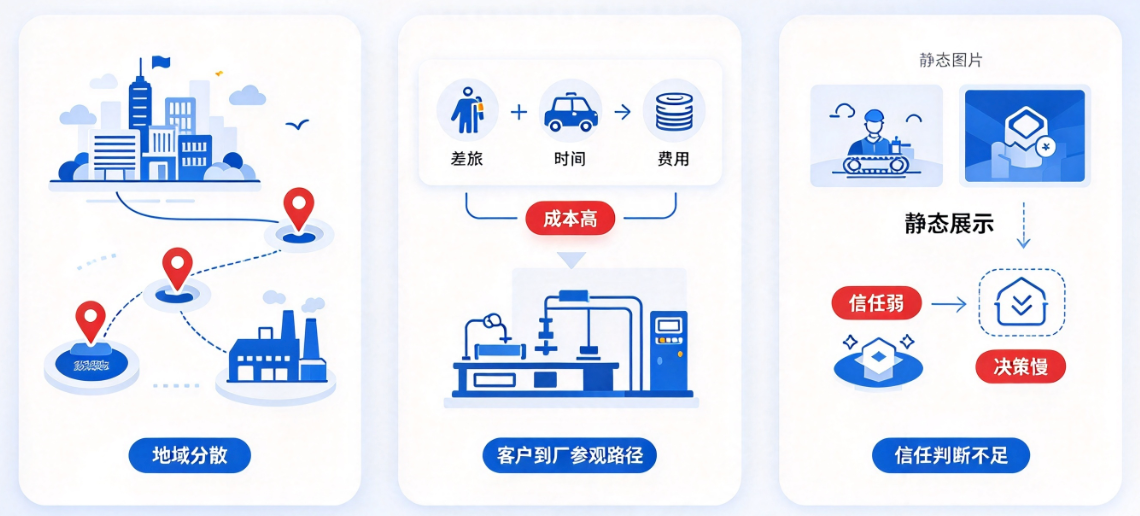
Procurement clients of packaging material factories are spread across different cities. Most buyers wish to inspect production workshops, dust-free working areas, raw material warehouses and quality control procedures before placing orders, to verify the factory’s production scale and delivery capability. Arranging client visits requires time and travel expenses for both sides, creating high barriers for small and medium-sized buyers with relatively small order volumes.
Buyers who cannot visit the factory can only learn about the supplier through text descriptions and static images. They are unable to view running production lines and real-time quality control on site, and lack intuitive judgment of the factory’s actual output, workshop hygiene standards and quality management processes. This weakens the foundation of cooperation trust and extends the order decision cycle.
(2) Text and images have limited expressive power; material and craftsmanship performance is hard to perceive
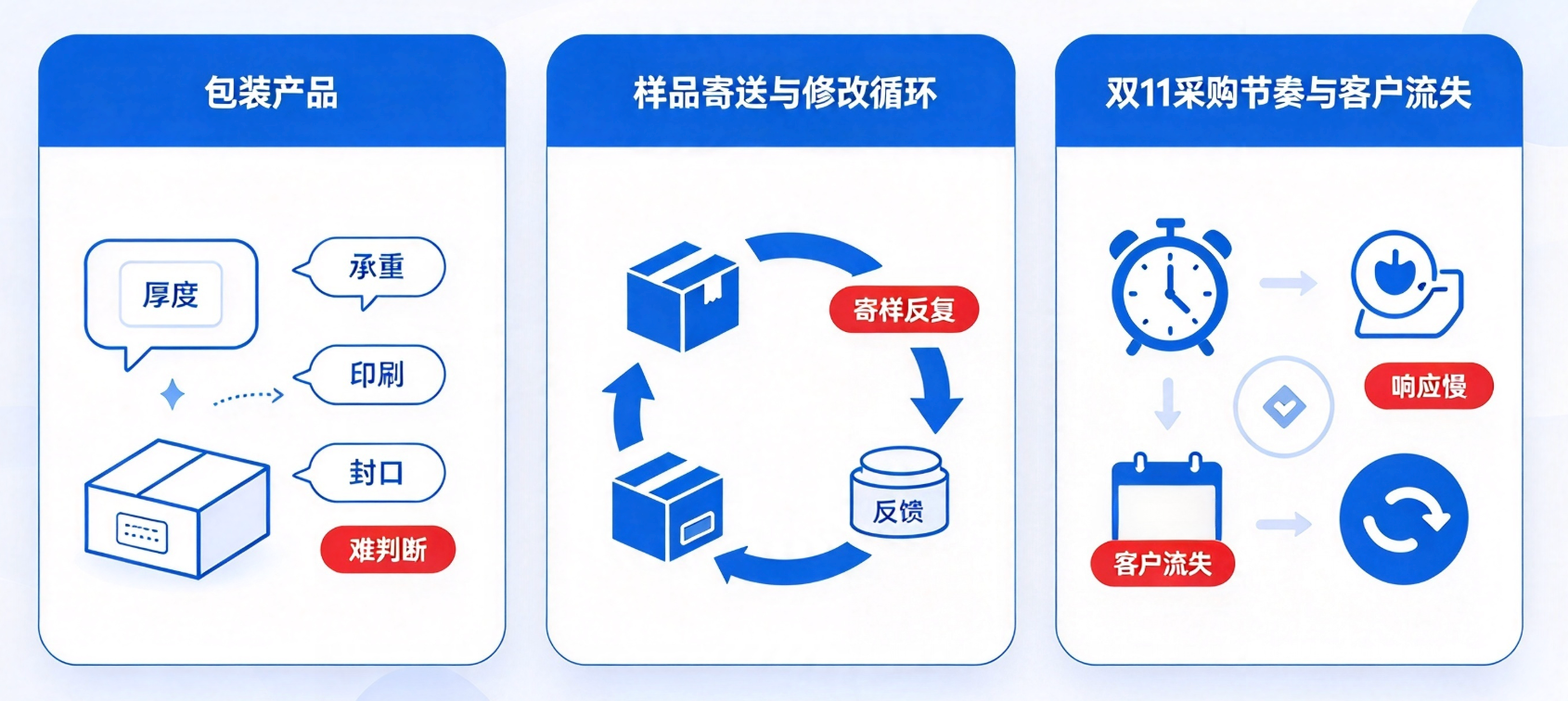
Indicators such as packaging thickness, load-bearing capacity, printing clarity, sealing firmness and sealing performance can hardly be fully conveyed through texts and flat images. After viewing product pictures, buyers cannot tell whether the materials fit their product dimensions, weight and application scenarios. Factories are often required to send physical samples first and wait for feedback and revisions.
Back-and-forth sample delivery and communication consume substantial time. Where adjustments are needed for material thickness, printing colors or sealing techniques, the whole communication process drags on further. The Double 11 procurement cycle moves fast; buyers expect to lock in suppliers and confirm lead times quickly. Inefficient sample negotiations may drive prospective clients to competitors with faster response.
(3) Scattered inquiries make it difficult to establish a lead follow-up ledger
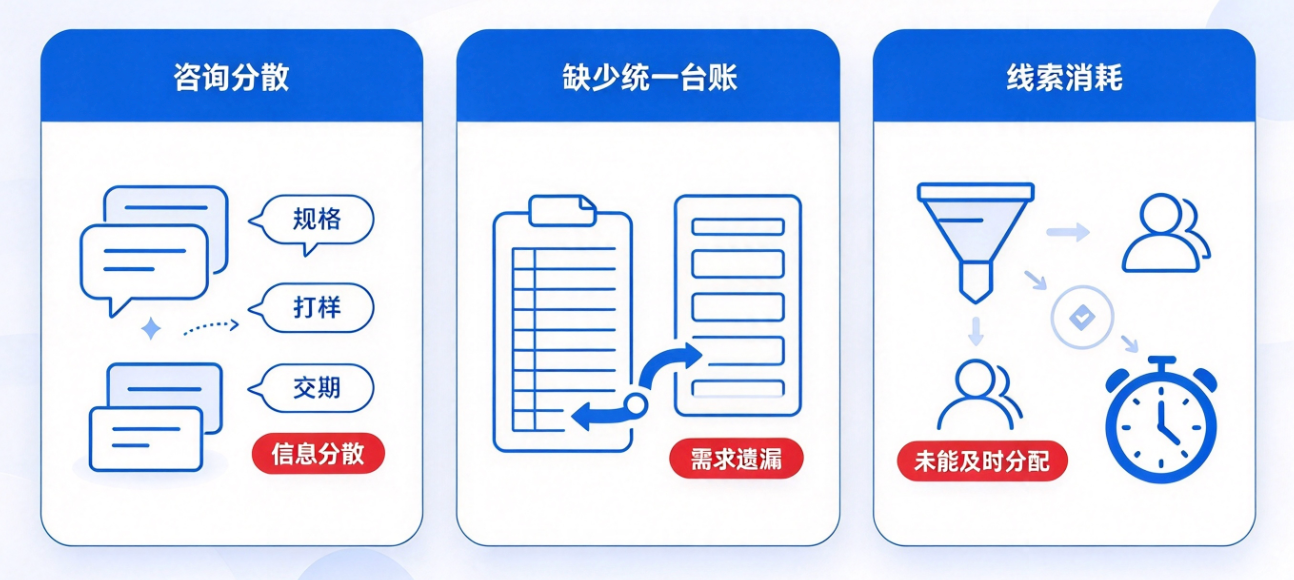
Consultations surge during procurement festival live streams. Buyers raise questions about product specifications, sampling requirements, procurement budgets and delivery lead times in comments and private messages. These messages are scattered across different chat windows and comment records. Sales staff have to sort through content manually, making it difficult to build a unified client ledger.
Fragmented information easily leads to missed demands and duplicated outreach. Different sales representatives taking over the same client cannot access full communication history. Without a centralized entry for lead collection, factories cannot record structured procurement requests or assign follow-up tasks in a timely manner. Many leads generated from live streams are lost amid disjointed conversations.
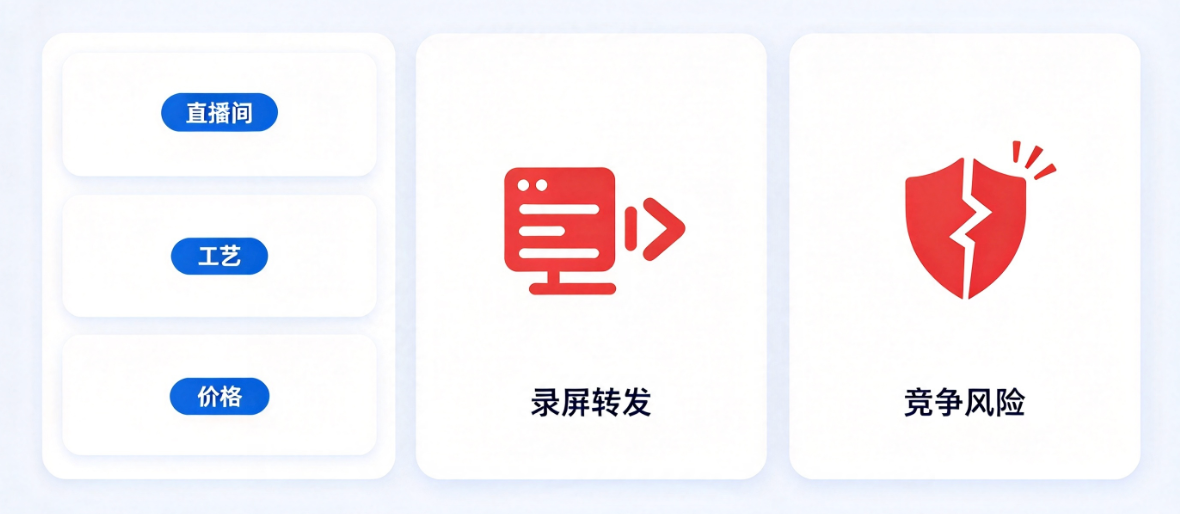
(4) Confidential business content faces risks of screen recording and redistribution
Production line layouts, trial manufacturing processes and exclusive B2B pricing shared during live streams are sensitive internal business information. Competitors can enter the live room, record footage, capture pricing and process details, and circulate such content within industry groups or to other clients, copying the factory’s competitive advantages.
Without proper access control and content protection, factories cannot distinguish genuine buyers from competitors. Live streams and replay links can be saved and forwarded freely. This risks leakage of cost and pricing strategies and puts factories at a competitive disadvantage during the big promotion.
II. How Can Packaging Material Factories Deploy Online Factory Audit Live Streaming?
Tailored to the four core business needs of packaging material factories for the Double 11 Procurement Festival — online factory audits, craftsmanship demonstrations, lead collection and information protection — Polyv provides an integrated factory live streaming solution covering live preparation, on-site showcase, client lead capture and content governance. It helps factories efficiently engage B2B buyers throughout the procurement festival.
(1) Multi-camera linkage to support immersive online factory audits
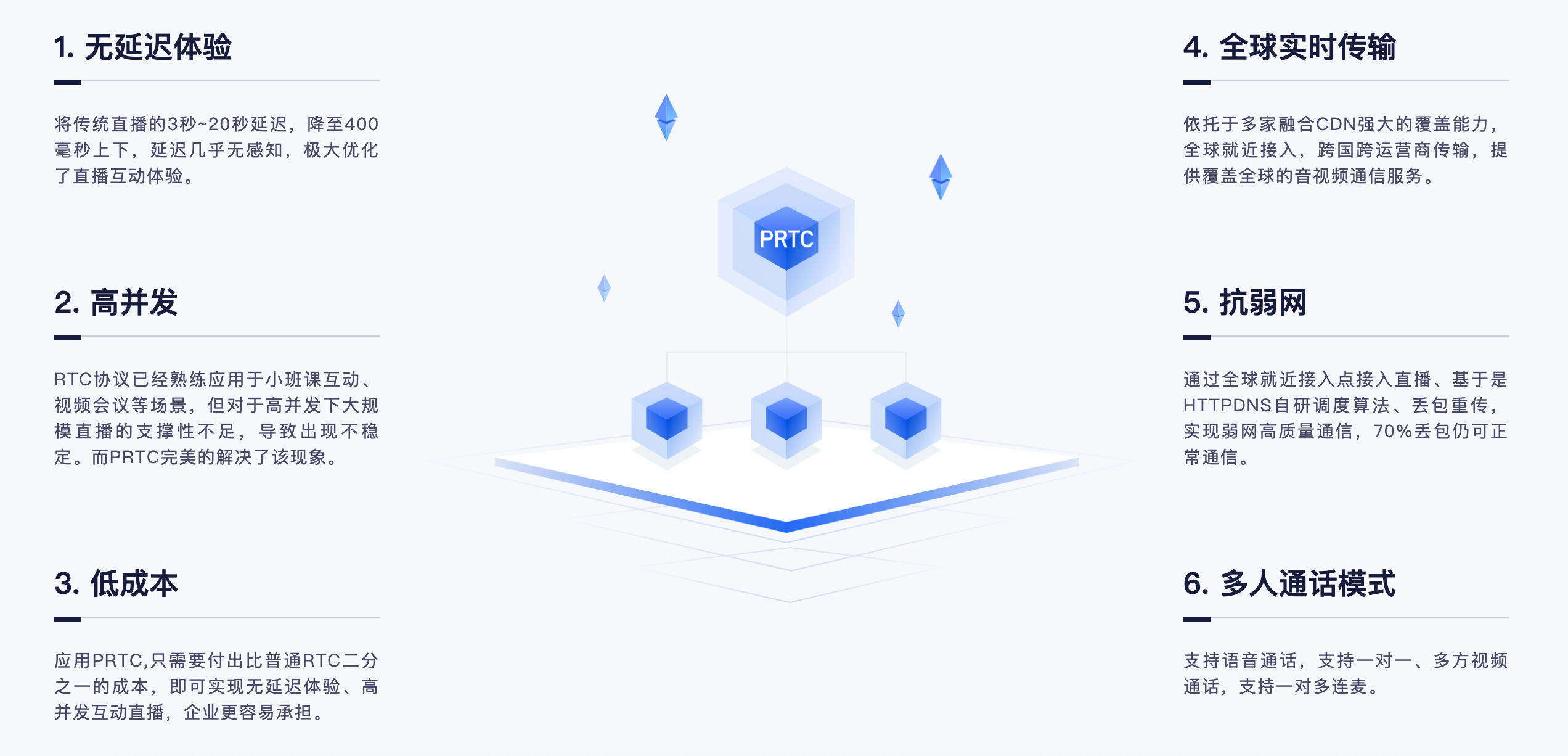
The platform enables real-time switching between the main live studio and multiple production-line feeds. Directors can switch seamlessly between the studio, production lines, raw material warehouses and quality control stations following the presentation flow. Once buyers enter the live room, they can view running equipment, raw material storage and on-site quality control workflows without traveling to the factory.
Synchronized multi-feed transmission delivers stable, clear footage of workshop operations. Hosts can walk viewers through production capacity, dust-free operation standards and quality control checkpoints alongside live footage. Buyers across regions complete immersive factory audits remotely and build trust in the factory’s manufacturing capability rapidly.
(2) On-site practical demonstrations to visualize material and craftsmanship
Live sessions can include hands-on tests for packaging materials, including drop tests, sealing tests, load-bearing tests and printing sampling demonstrations. Buyers witness how materials perform under real working conditions. Parameter slides can be cast simultaneously, matching figures for material thickness, load rating, printing techniques and sealing methods with live demonstrations.
While running tests, hosts explain suitable product categories and application scenarios for each material. Buyers can assess whether materials and processes match their requirements without waiting for sample delivery, cutting down repeated sample confirmation and accelerating procurement decisions.
(3) Centralized form submission for organized lead assignment and follow-up
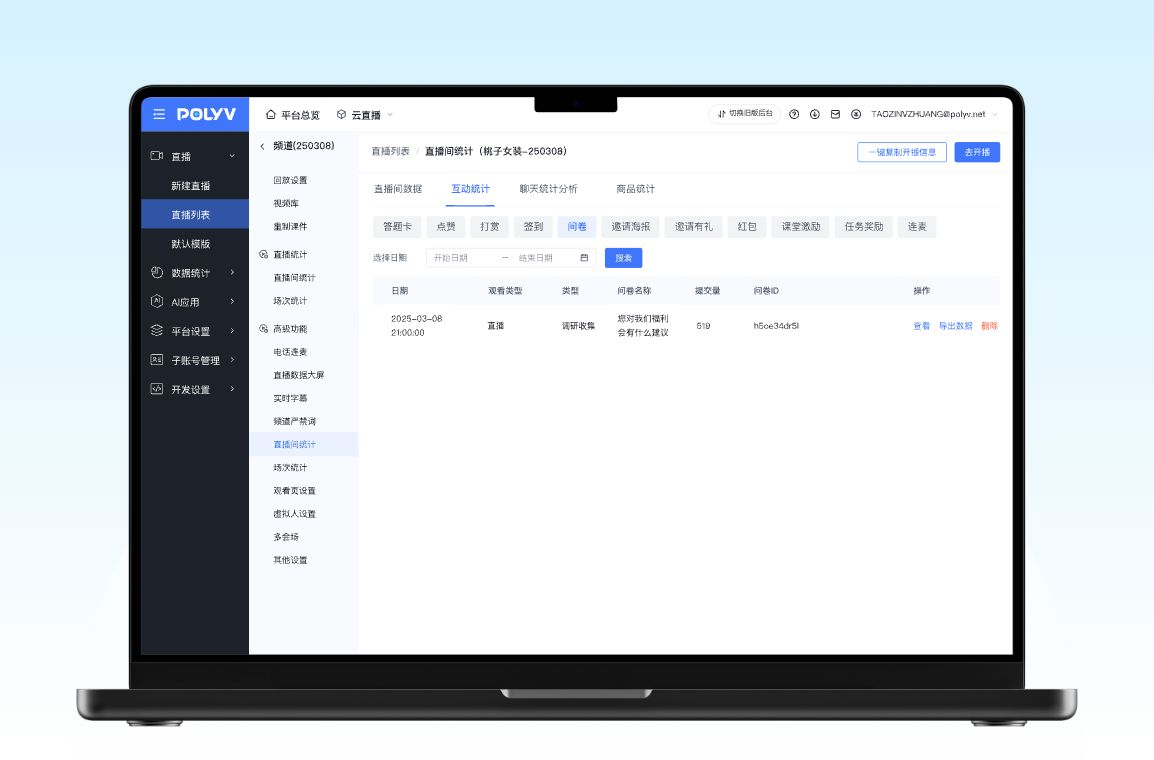
Custom lead capture forms can be embedded in the live room. During viewing, buyers may submit information including company name, packaging type required, product dimensions, estimated purchase volume and sampling requests. Form fields can be customized to align with the factory’s sales workflow, consolidating scattered inquiries into a unified backend repository.
All submitted leads support bulk export. Sales managers can allocate enquiries to sales representatives based on product type and order scale for direct sampling and quotation. The unified ledger prevents missed demands buried in comments and private messages, converting live traffic into trackable, assignable formal sales leads.
(4) Permission controls and watermark protection to contain sensitive content distribution
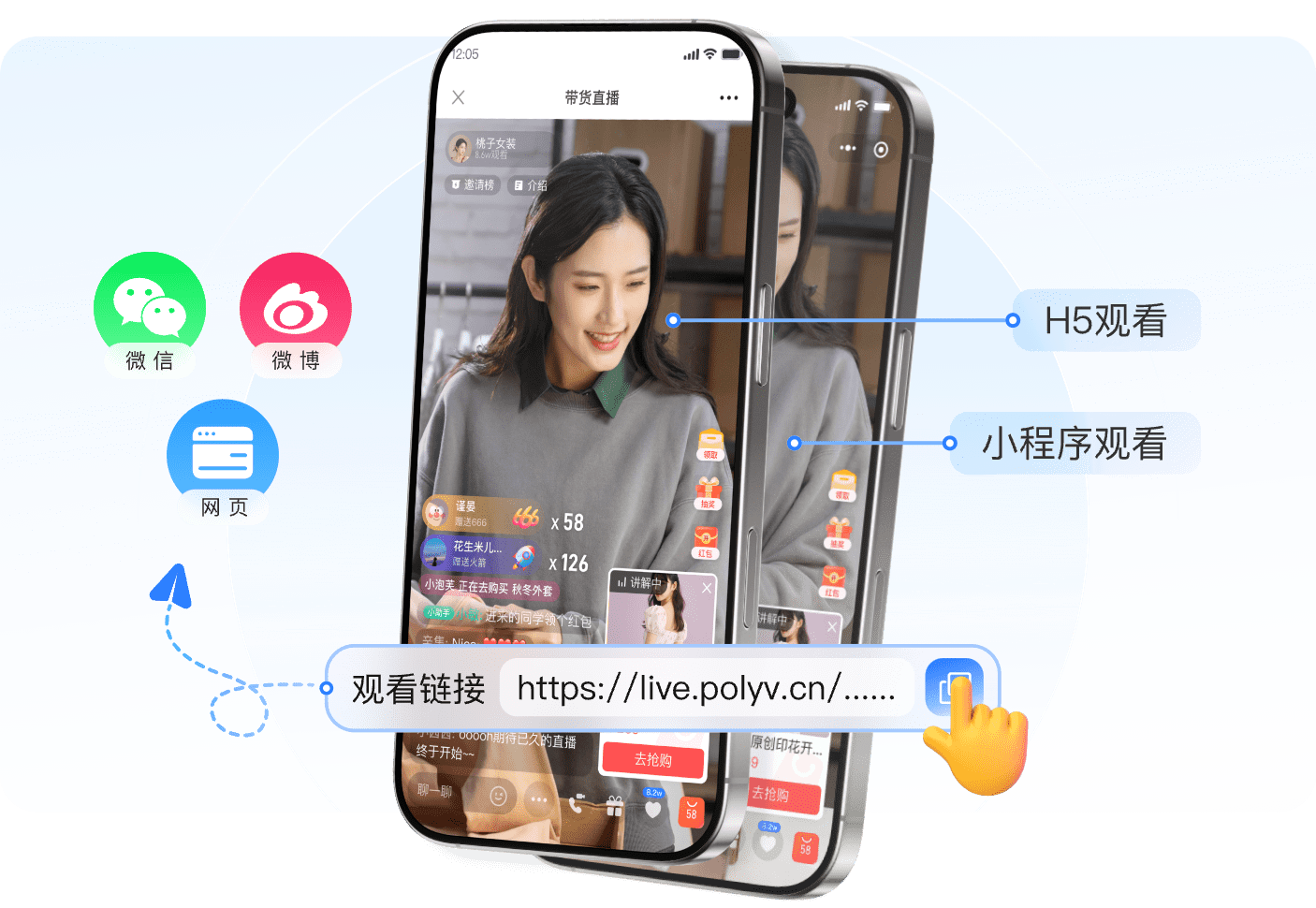
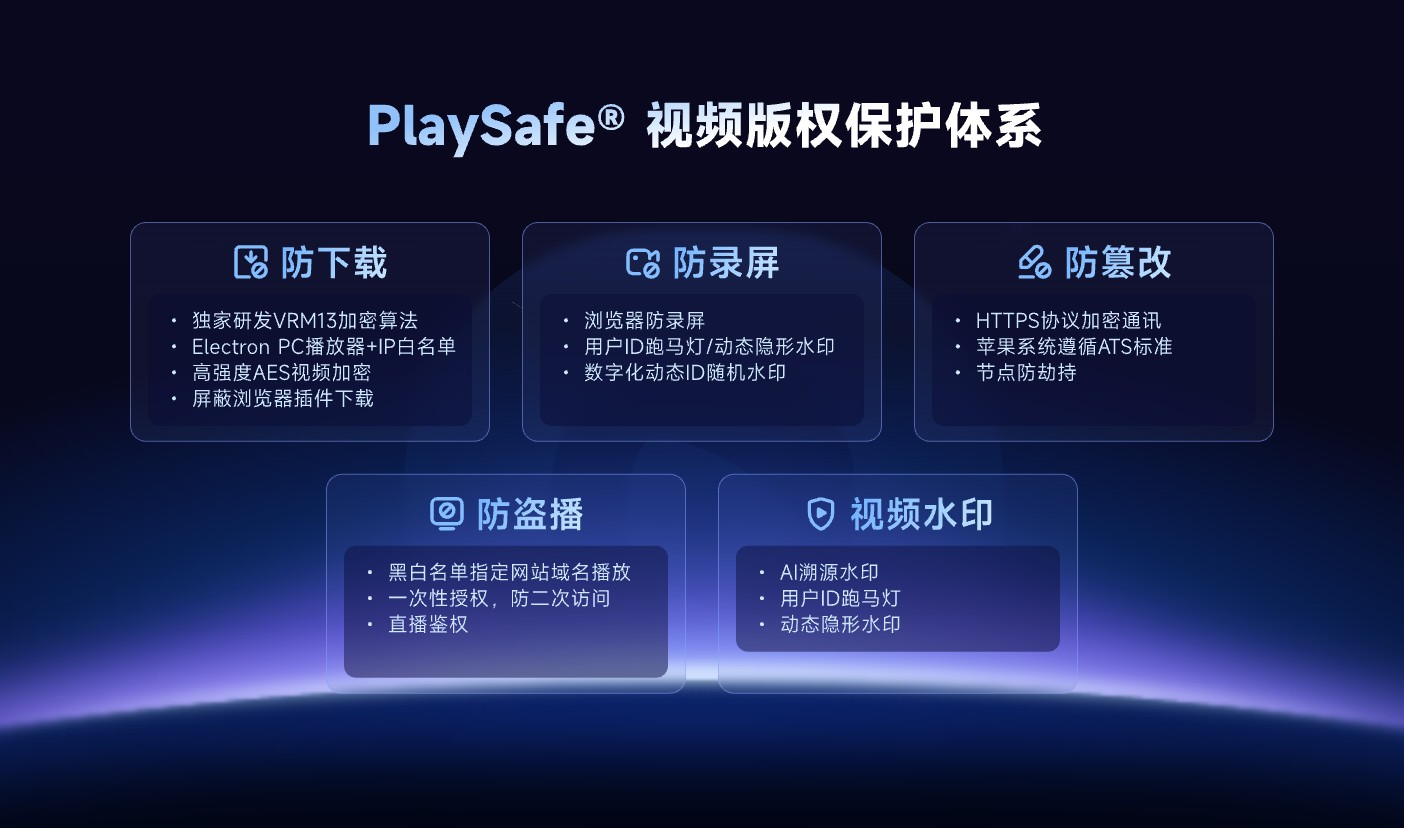
Unique viewer-bound watermarks are overlaid on live footage throughout the session. Any screenshots or recorded clips shared externally can be traced back to the viewer, deterring competitors from stealing content. Live replays can be configured with independent validity periods and whitelist access, so only verified buyers can view recordings within a specified timeframe.
The platform supports disabling download and sharing functions for replays, restricting dissemination of factory footage, trial processes and exclusive quotations. It reduces risks of competitors recording streams, copying processes and gathering pricing intelligence, safeguarding the factory’s competitive edge during the big promotion.
III. Business Value of the Solution
Built around the actual workflows of packaging material factories for procurement festival live streaming, this solution addresses the limitations of generic live tools in trust-building via virtual factory tours, intuitive product demonstration, centralized lead management and internal information protection.
It fits the fast-paced B2B client engagement cycle of factories during major promotions. With low setup costs, factories can acquire high-quality procurement leads and turn live streaming into a stable order channel, boosting inquiry volume and conversion performance throughout the Double 11 Procurement Festival.