Choosing a B2B Live-Event Data Workflow: Report Exports or API Integration?
摘要: Choose exports, WeCom collaboration, or API integration around business actions, identity keys, timing, and reliable data handoffs.
After a B2B live event, marketing wants to know who attended and who used the consultation link. Sales needs to know whom to contact and why. Exports may be sufficient for occasional events, while recurring programs can make manual matching and re-entry increasingly burdensome.
Choose a data workflow by defining the business action, identity key, and required handoff time first. Then decide between exports, existing product integrations, and API development. Establish what each record actually means before transferring it, so that repeated visits, clicks, or unidentified viewers are not mistaken for consultation requests.
01 Define the action the data should support
“Connect our live-event data” is not an acceptance criterion. A clearer requirement is to send explicit technical requests to the responsible team after an event, including the event, question, and permitted contact information. Other participants can remain in a content-service workflow.
Work backward from the action. Replay delivery may need a delivery channel and event identifier; a technical evaluation needs a question and an owner. Data with no defined use can remain in the event platform.
Specify timing as well. Questions requiring attention during the broadcast and a next-day performance report are different workloads. Real-time transmission, monitoring, and recovery are justified when the business action actually needs them.
02 Use exports while rules are still evolving
POLYV provides viewing and export functions for registration, viewing statistics, and certain interaction records. Teams with limited event frequency or changing follow-up rules can start with a standard export procedure and retain the original files.
Define how event identifiers are recorded, duplicates are handled, incomplete contacts are treated, and handoff totals are checked. Keep a version history when those rules change.
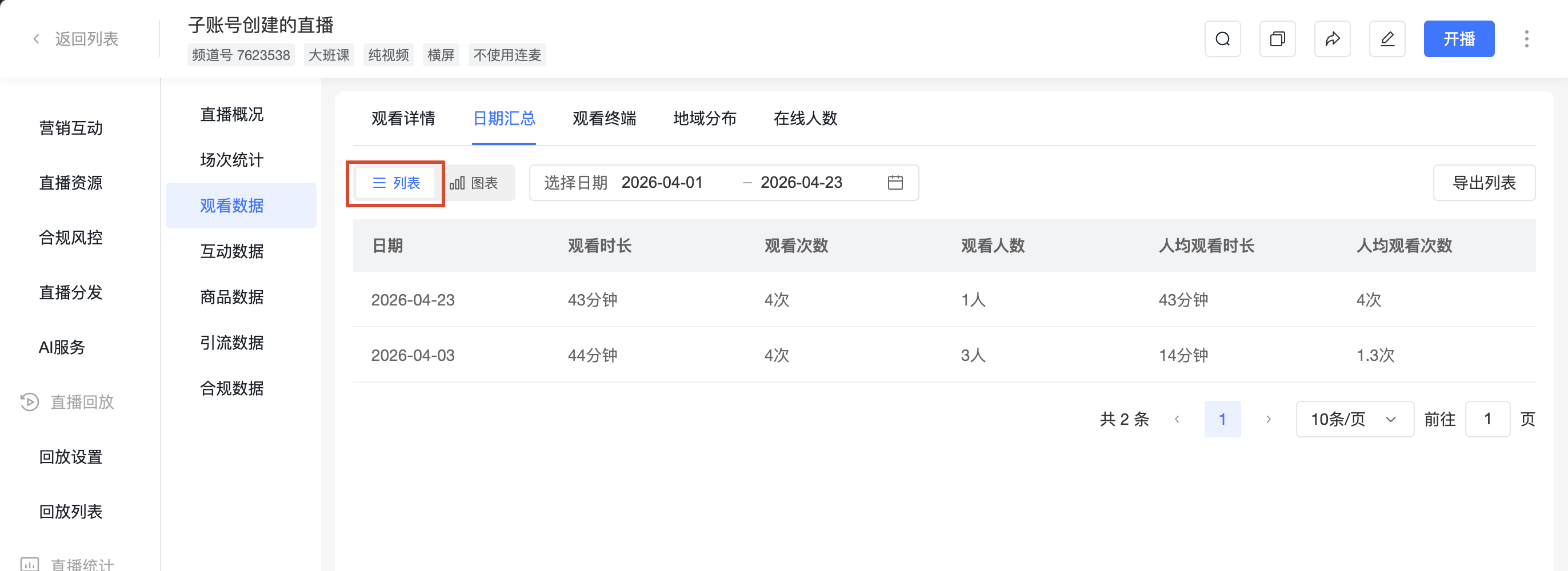
If staff repeatedly merge several events or sales waits for lists, record the delays and rework. These observations establish the case for automation more clearly than developing a complete integration in advance.
03 Evaluate existing collaboration paths
Teams using WeCom for customer service can assess POLYV’s corresponding capabilities, including employee invitations and customer-related event information. Confirm administrator authorization, application visibility, customer-contact permissions, and applicable activation conditions.
Have the intended employee issue an invitation, locate the relevant records, identify a request, and take responsibility for responding. The practical benefit is putting appropriate work in the environment employees already use.
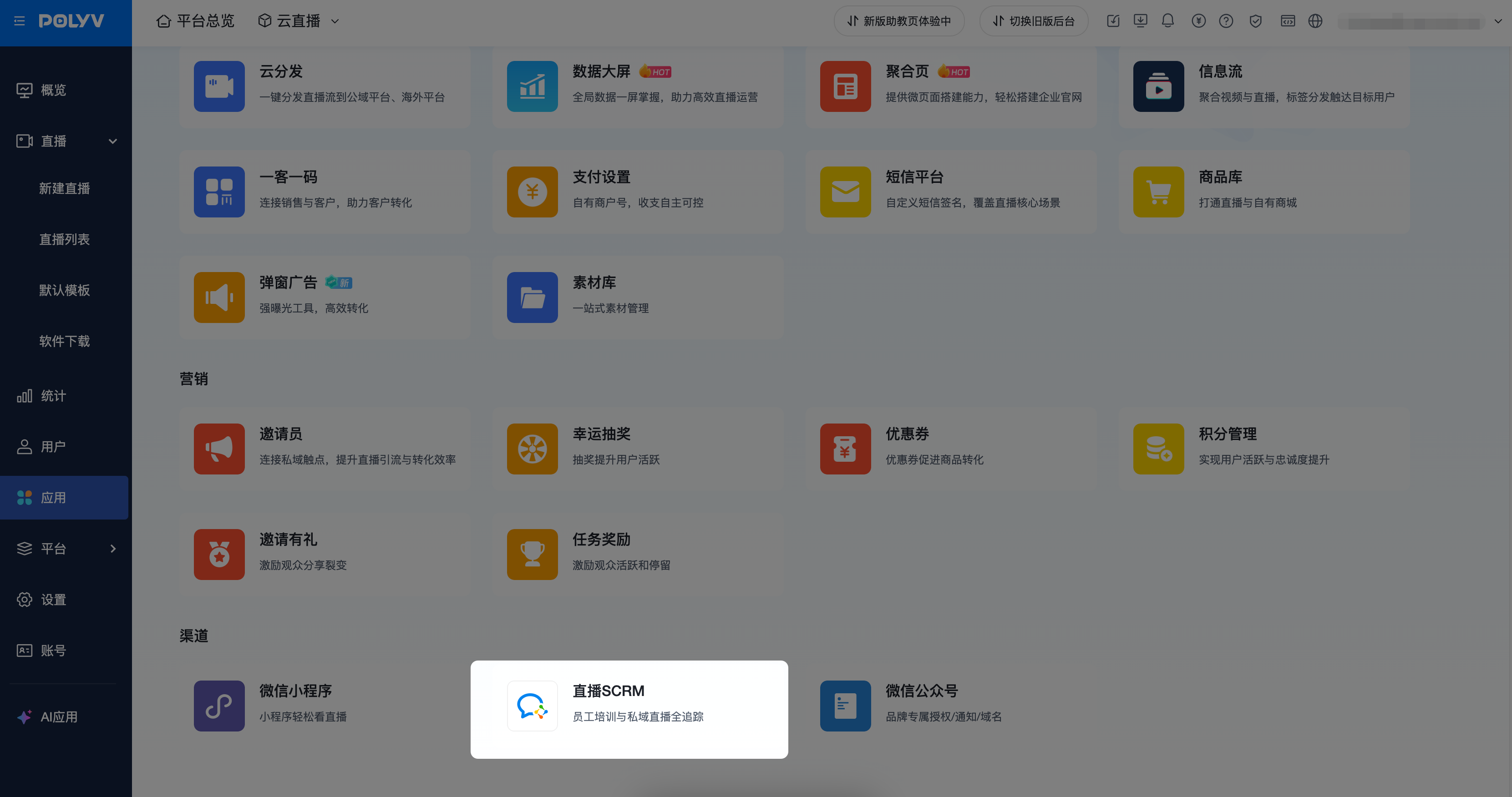
Third-party SCRM and other customer systems require their own interface, field, and permission review. Distinguish product features already available, configuration work, and custom development in the scope of delivery.
04 Resolve identity before integrating events
POLYV’s developer center provides API and integration documentation. Confirm specific fields, authentication, request limits, and available event data for the chosen interfaces and account. An implementation needs an interface list, not merely a statement that APIs exist.
Nicknames can repeat, and company names can have multiple spellings. Neither is a reliable personal identifier. Where an enterprise already has user identities, evaluate POLYV’s custom or external authorization mechanisms, validate parameters server-side, and maintain the business-system mapping.
Check registration-field associations with viewing and interaction records before the event. Adding a field later does not establish that historical records will acquire it. Register, watch, and ask a question with a test identity to verify continuity.
05 Preserve the meaning of each action
Viewing establishes participation. Clicking a resource or consultation card establishes an entry-point click. Successfully submitting a form creates a submission record in the form system. These events can be related, but they are not interchangeable.
POLYV ordinary cards provide click records and exports with the documented user-ID treatment. If a card opens an external form, obtain submission results from that system and associate them using permitted identifiers and event references.
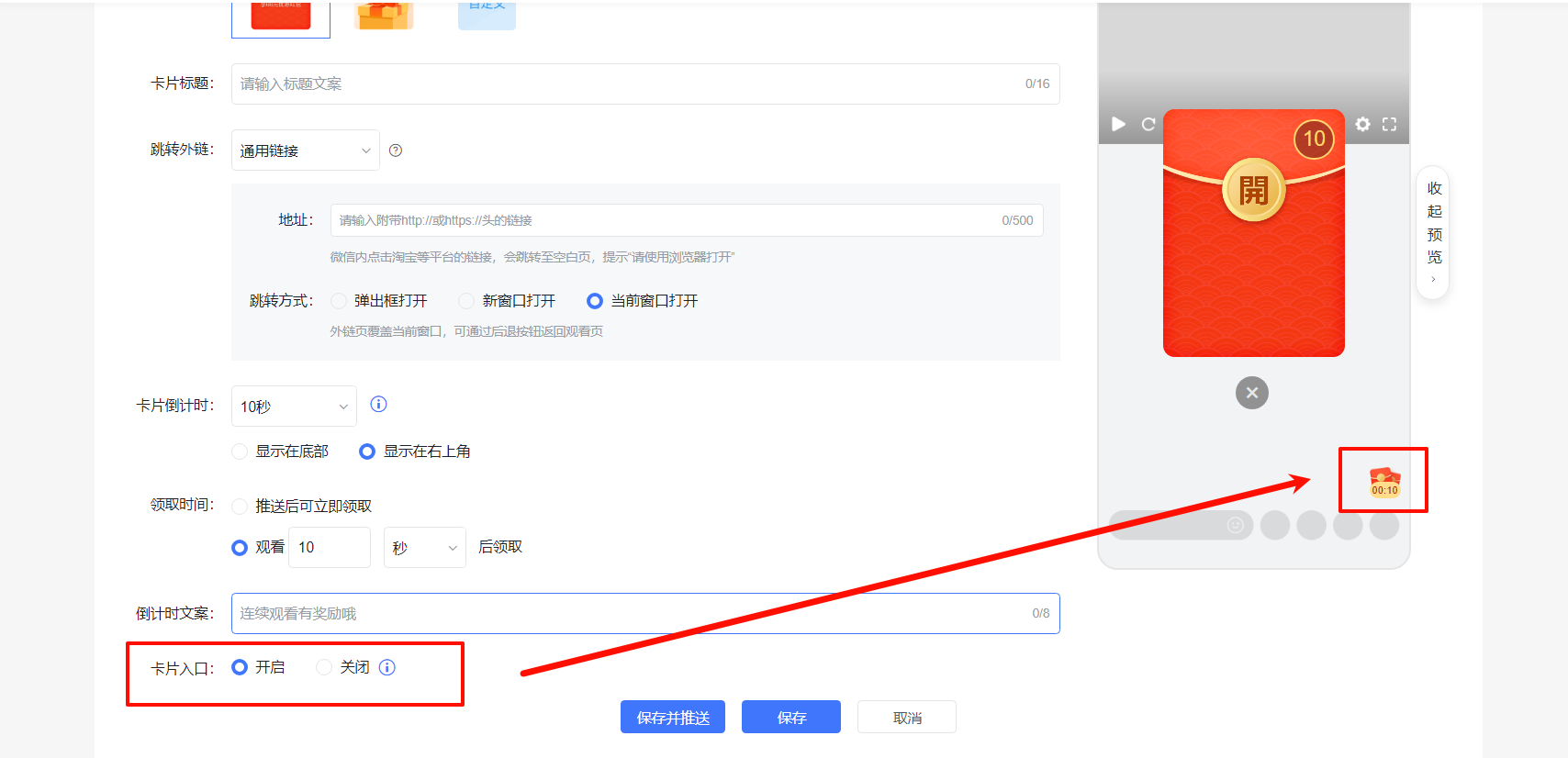
An event structure can retain event type, timestamp, activity identifier, user identifier, and source system. Sales status should reflect actual business handling, not an automatic assumption based on viewing duration.
06 Test failures and retries
Acceptance should cover repeated delivery, missing fields, temporary interface failures, and one customer attending multiple events. Confirm whether retries create duplicates and how incomplete records enter a review queue.
Manage credentials and signatures server-side, restrict queries and exports by role, and record processing states. Avoid copying full personal details into unnecessary logs. Define field purposes and retention before launch.
Start with one activity, one target system, and one business event. Reconcile registrations, successful matches, exceptions, and handoff totals before expanding.
Define corrections and deletion handling too. If a participant updates contact information or withdraws a request, the receiving system needs an appropriate process. Test a correction so that both sides remain explainable rather than endlessly copying obsolete data.
Assign business ownership for rules, technical ownership for interface health, and operational ownership for unmatched records. One person may hold several roles, but every exception needs a receiving owner.
07 Frequently asked questions
7.1 Does an API eliminate manual work?
An API exchanges data according to rules. Field definitions, exception review, and ownership still need accountable people. Automate stable rules after agreeing them.
7.2 Should every viewing record enter the customer system?
Decide by use. Aggregate reporting may remain in the event platform, while explicit requests enter a service workflow. Define detailed retention only when it supports a real need.
7.3 How should multiple identities for one person be handled?
Preserve original identifiers and merge only with reliable evidence. Keep unresolved records unmatched instead of joining similar names automatically.
08 About POLYV
POLYV offers registration, viewing statistics, interaction records, WeCom collaboration, and developer capabilities. Enterprises can start with standard exports and progressively establish identity mappings, event definitions, and system handoffs appropriate to their actual interfaces and accounts.