How Can Financial Institutions Upgrade Investor Education Systems?A Lightweight Operation Solution for Investor Education Content Aggregation Pages
Investor education constitutes a core component of financial institutions’ compliance management, customer service and risk communication. It also serves as a key digital scenario to build rapport with clients, foster rational investment concepts and boost user engagement. As regulators continue to raise requirements for regular, systematic and localized investor education, institutions need to release a steady stream of diverse content, including investor education live sessions, course replays, risk reminder articles and financial knowledge columns.
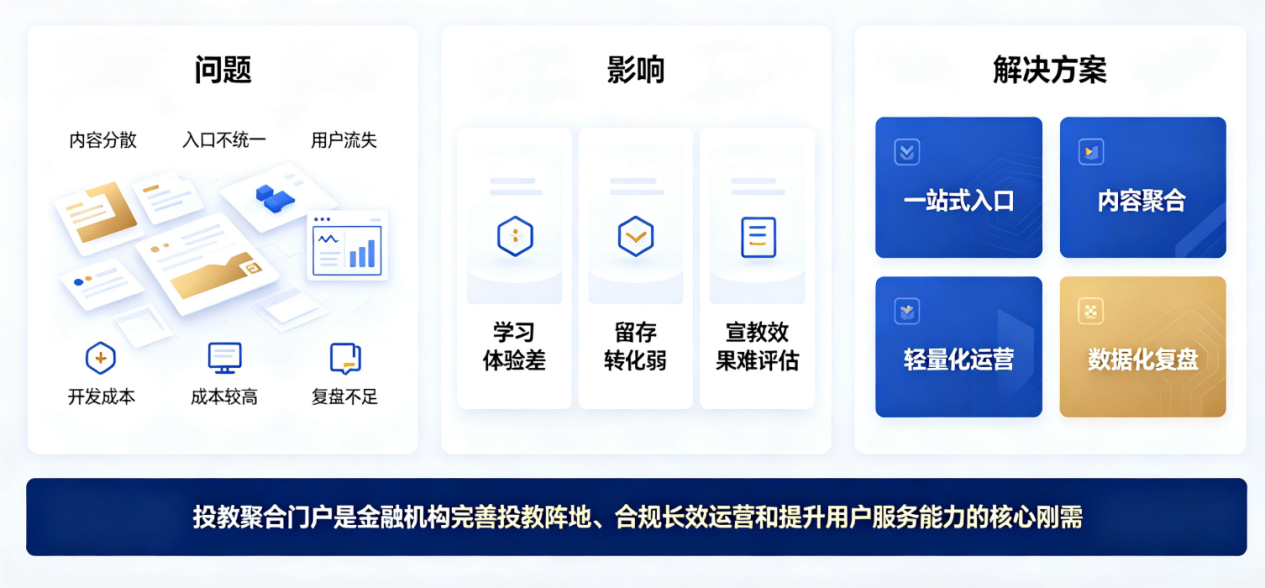
However, most financial institutions suffer from scattered investor education materials distributed through separate channels with inconsistent entry points. Coupled with high custom development costs, weak retention from multi-channel traffic acquisition and the lack of data review for content operations, their investor education hubs lag behind expectations, user learning experience suffers, and compliance outreach fails to deliver intended outcomes. Consequently, building an all-in-one, lightweight, iterable and data-driven investor education aggregation portal has become a critical requirement for financial institutions to improve their investor education infrastructure and sustain compliant long-term operations.
I. Existing Operational Pain Points of Investor Education in Financial Institutions
(I) Fragmented Investor Education Content Breaks the User Learning Journey
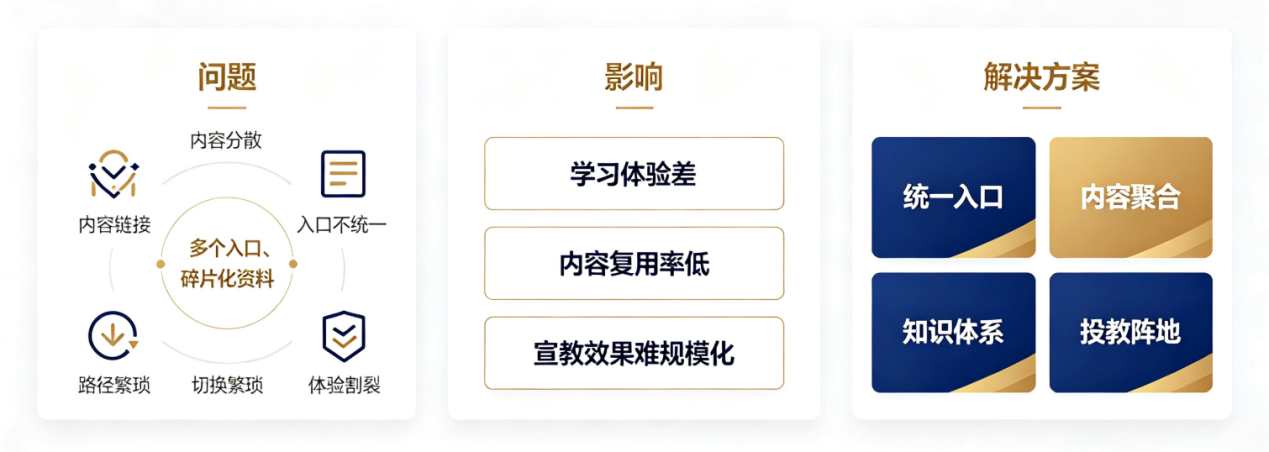
Most investor education resources held by financial institutions are scattered across separate links and portals, covering live session previews, recorded investor education live streams, popular science short videos, risk reminder graphics and articles, and financial knowledge columns. Clients must switch between multiple entry points and search for materials repeatedly for systematic learning, resulting in a cumbersome and disjointed learning experience.
Besides, fragmented content fails to form structured knowledge systems. High-quality investor education content enjoys low reusability and limited centralized exposure, making it difficult to deliver scalable and regular investor outreach. This hinders institutions from developing standardized investor education service hubs.
(II) Lengthy Custom Development Cycles Push Up Iteration Costs for Investor Education Hubs
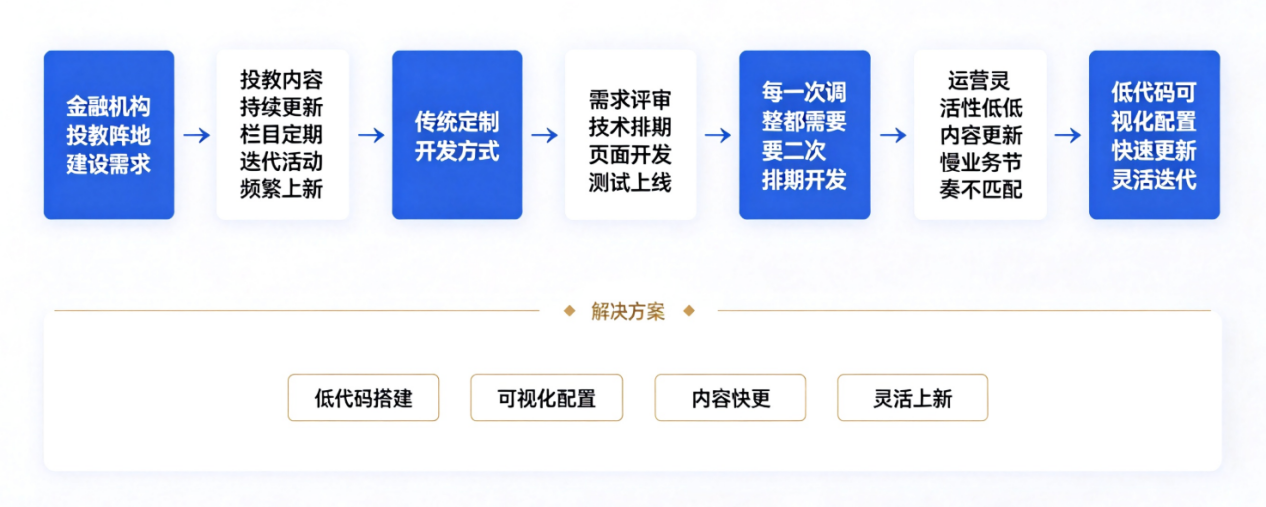
Financial institutions face tight internal technical resources and heavy development scheduling pressure. Building dedicated investor education pages through traditional custom development brings long lead times, high upfront costs and complex launch workflows.
Investor education content requires continuous updates, regular column iterations and frequent campaign rollouts. Every page adjustment, column modification and content refresh demands rescheduling from technical teams, which severely restricts operational agility and cannot match the fast-paced, frequent updates required for investor education.
(III) Dispersed Distribution Entries Drive High Client Drop-off Rates
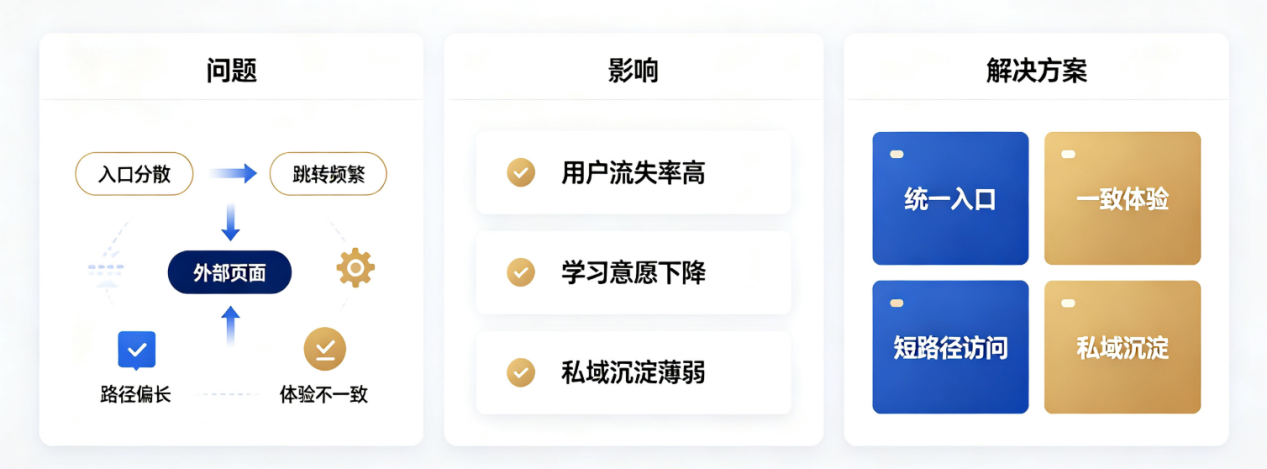
Financial investor education content is primarily distributed via private-domain channels such as official account menus, Enterprise WeChat groups and relationship managers’ social media feeds. This multi-channel, scattered distribution model makes it hard to consolidate traffic into a single hub. Clients clicking different links land on inconsistent pages with uneven experience, which easily leads to user attrition.
Some links redirect users to external pages or require client downloads, raising operational barriers and lengthening access paths. This significantly reduces clients’ willingness to read and learn, weakens investor education outreach and undermines private-domain traffic conversion and retention.
(IV) Insufficient Operational Data Dimensions Leave Content Optimization Unsupported
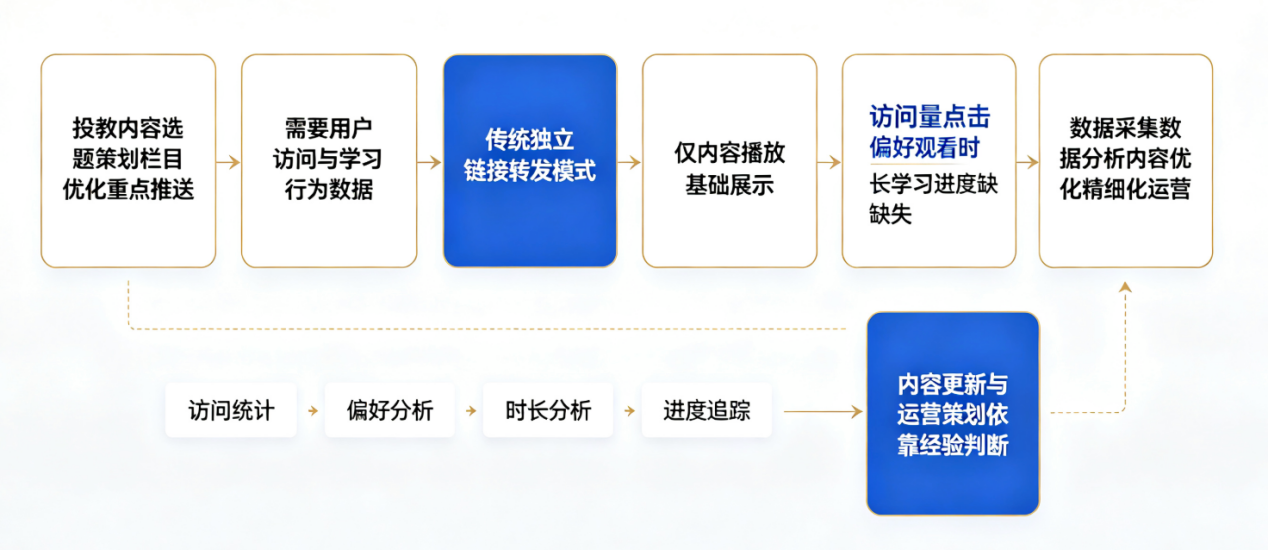
Content planning, column refinement and targeted content promotion for investor education rely on real user access and learning behavior data. The conventional practice of sharing standalone links only supports content display and playback, without tracking granular metrics such as page views, content click preferences, video watch duration and learning progress.
Institutions cannot accurately identify high-interest investor education topics or gauge audience demand for specific knowledge. Content updates and operational planning rely largely on subjective experience, preventing precise and regular refined investor education operations.
II. Building an Aggregation Page for Financial Investor Education
PolyV caters to core scenarios for financial institutions, including compliant investor education, content aggregation, private-domain distribution, lightweight operations and data review. Addressing pain points such as scattered content, high development costs, inconsistent distribution and insufficient data, PolyV delivers an all-in-one lightweight investor education aggregation page solution. It enables institutions to rapidly roll out standardized investor education hubs for centralized content display, unified multi-channel distribution, no-code rapid iteration and data-backed operational reviews.
(I) Component-Based Aggregation to Build an All-in-One Investor Education Hub
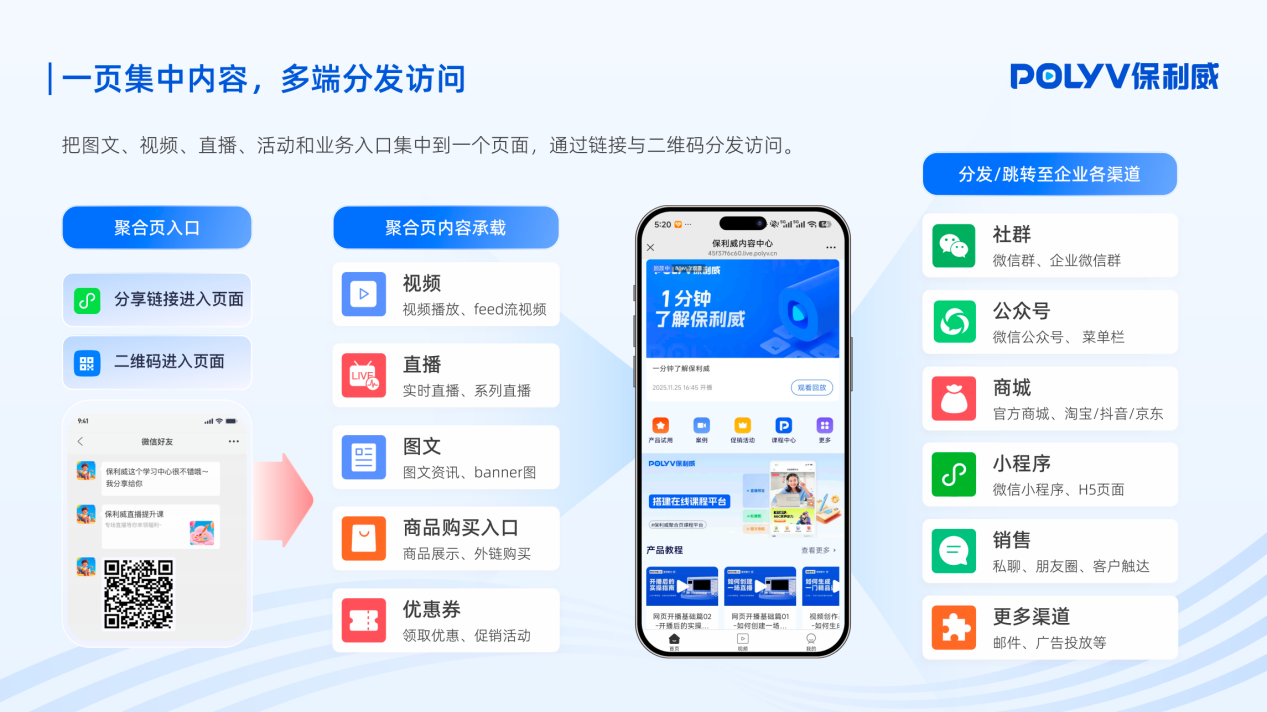
The portal can be rapidly constructed with visual component-based tools to centralize investor education live previews, live recordings, popular science short videos, risk reminders and financial knowledge columns on a single 专题 page. Institutions may customize category navigation by investment type, risk level, knowledge theme and curriculum architecture.
Clients access all investor education materials through one single link for self-directed browsing and learning. This eliminates scattered content, tedious searches and broken learning journeys, substantially improving user experience and content reusability.
(II) No-Code Drag-and-Drop Setup for Low-Cost, Fast Iteration
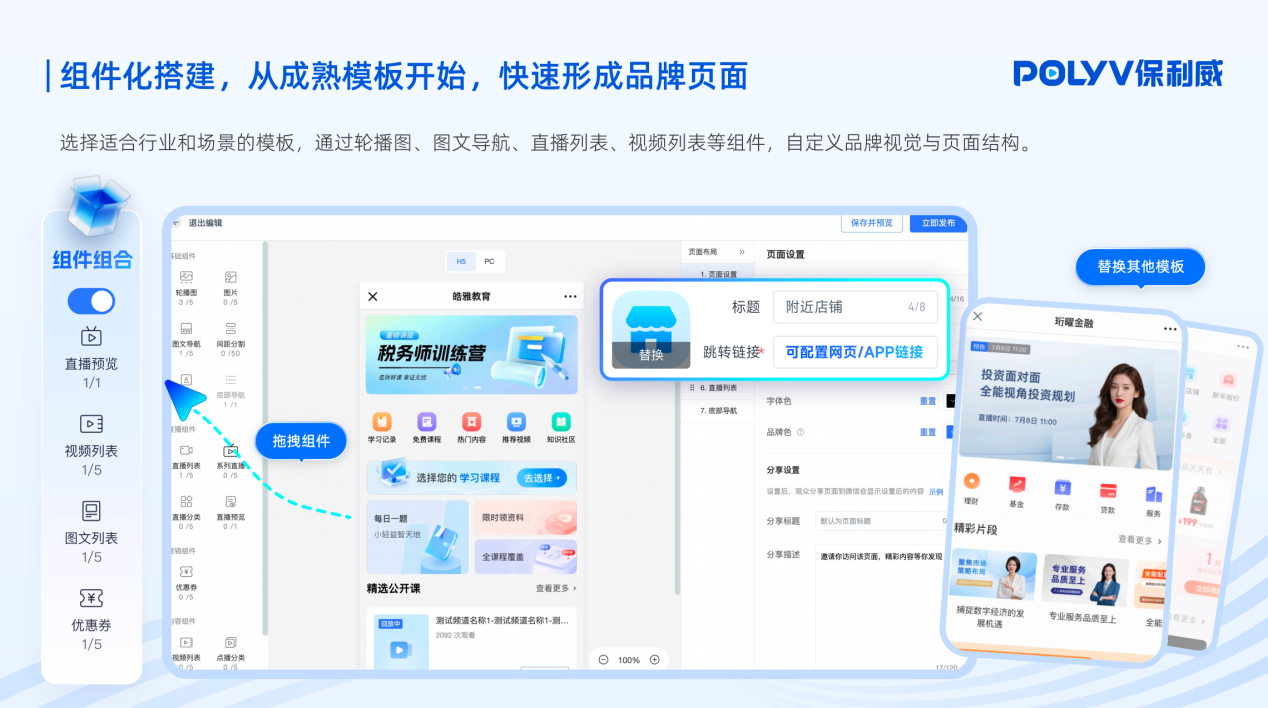
The platform provides pre-built investor education templates tailored for the financial sector alongside visual drag-and-drop components. Professional coding and technical scheduling are not required. Operations staff can independently replace page banners, add or remove columns, publish content, adjust lists and optimize layouts to shorten launch timelines.
Subsequent content updates, column iterations and campaign revisions can be completed independently by the operations team without repeated coordination with developers. The page’s fixed QR code and access link remain unchanged, supporting continuous updates and flexible iteration of investor education hubs at low cost and high efficiency.
(III) Unified Links and QR Codes for Closed-Loop Private-Domain Distribution Across Channels
The investor education aggregation page generates a permanent H5 access link and exclusive QR code for unified deployment and distribution across channels. It can be embedded directly in official account menus and institutional portals, and shared by wealth managers on social media and in Enterprise WeChat groups.
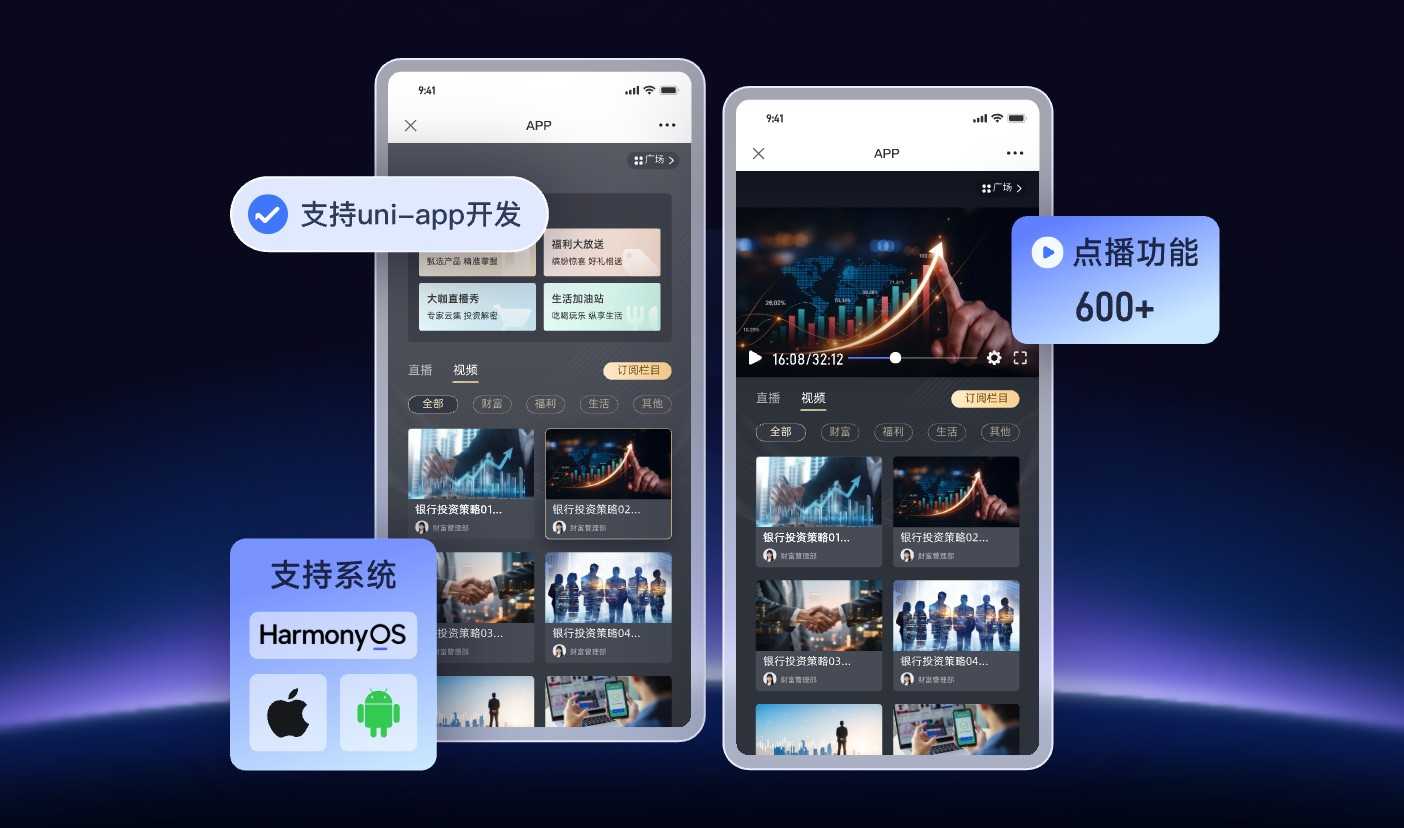
The page adapts to mobile and desktop terminals and opens directly within WeChat without app downloads or external redirects, delivering a streamlined access experience. The unified distribution entry consolidates private-domain traffic, reduces drop-off caused by cross-entry jumps, and establishes an efficient, stable and cohesive private-domain investor education dissemination system.
(IV) Full-Spectrum Data Tracking and Review to Empower Refined Investor Education Operations
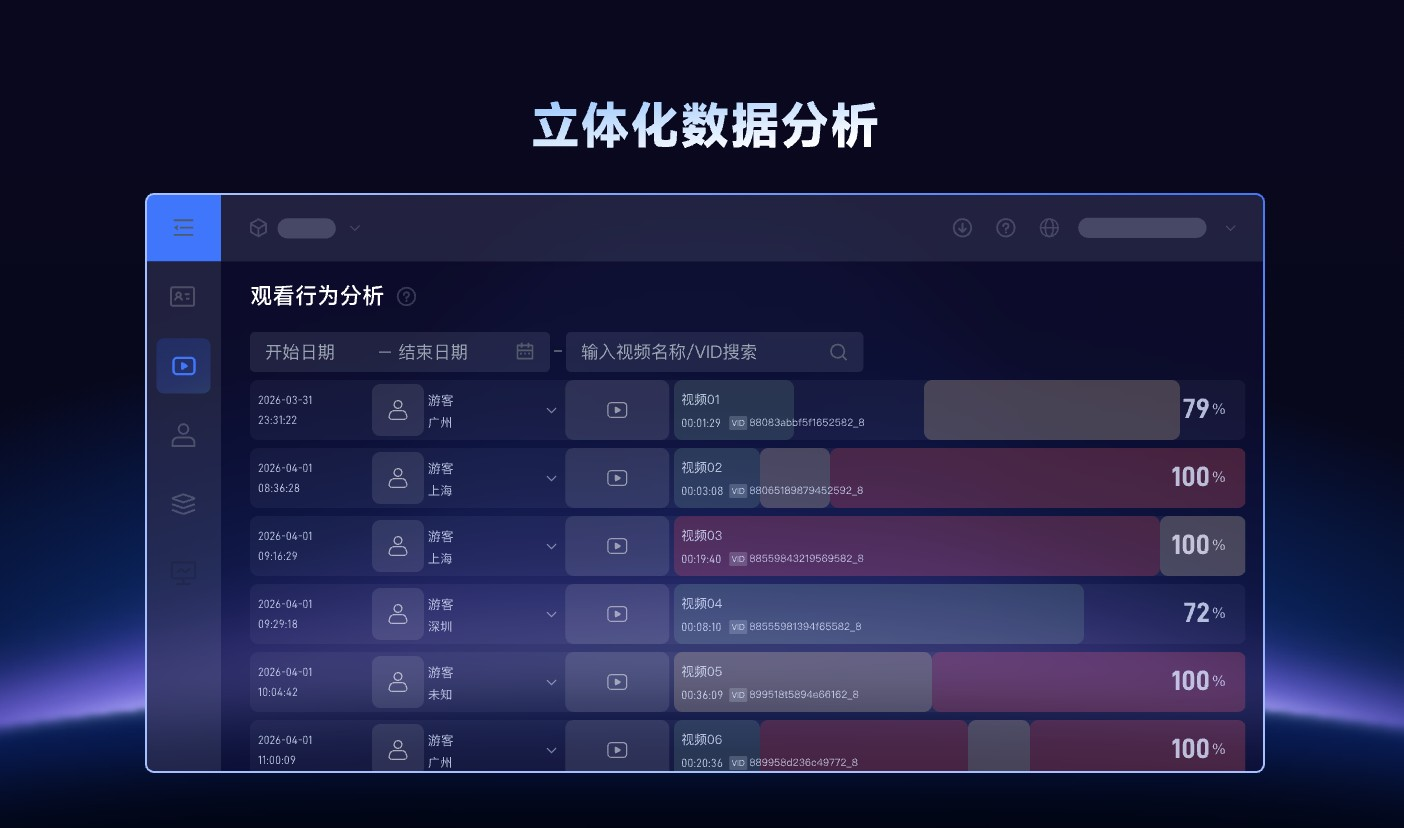
The aggregation page is integrated with comprehensive data analytics. It automatically aggregates multi-dimensional user behavior metrics including page views, content clicks, video plays, watch duration and visit frequency, and generates dedicated investor education operation reports.
Institutions gain clear visibility into user content preferences, trending topics and frequently accessed learning materials to accurately identify client investor education needs. Quantitative data guides subsequent content ideation, column optimization and targeted push strategies, moving away from experience-led operations toward targeted investor education delivery with measurable, reviewable and optimizable outcomes.
III. Core Value of the Solution
This solution closely aligns with financial institutions’ core demands for regular investor education development, compliant outreach and private-domain operations. It comprehensively remedies weaknesses of traditional investor education models and helps financial institutions build compliant, lightweight, unified and data-driven professional investor education hubs to efficiently deliver ongoing investor education initiatives.